
According to a report by Anadolu Agency on Monday, April 13, 2026, Iran has said it turned down a United States proposal during recent negotiations in Pakistan, which reportedly involved joint oversight arrangements concerning the strategic Strait of Hormuz.
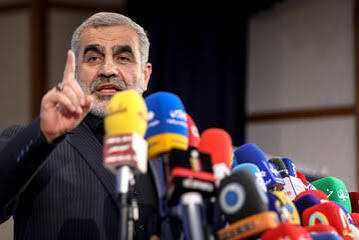
According to Iran’s Deputy Parliament Speaker Ali Nikzad, the proposal was discussed during talks held in Islamabad, where both sides attempted to outline a framework aimed at easing tensions following weeks of conflict. Nikzad made the remarks during a televised interview on Iranian state media on Monday.
He stated that Washington had suggested the creation of a legal and operational structure for the Strait of Hormuz that would include a formal role for the United States in its management. Iran, however, rejected the idea, describing it as unacceptable interference in a vital maritime route located within its regional sphere of influence.
Nikzad also disclosed that Iran had proposed confidence-building measures during the negotiations, including the dilution of approximately 430 kilograms of enriched uranium as part of efforts to reassure international actors about the peaceful nature of its nuclear programme. He said the plan envisioned cooperation involving multiple countries, including the United States and Saudi Arabia, although Washington ultimately withdrew from that arrangement.
He further claimed that Tehran had suggested introducing transit fees for vessels passing through the Strait of Hormuz, with revenue mechanisms potentially overseen by a multinational structure. According to him, the United States sought to become a participant in that framework, a proposal Iran declined.
Quoting elements of the discussions, Nikzad said Washington went as far as proposing a broader legal arrangement that would formalise American participation in the governance of the waterway. Iranian officials rejected the suggestion, arguing that it would undermine national sovereignty over the strategically important passage.
He also made reference to recent hostilities, stating that lessons had been learned from what he described as a 40-day conflict, adding that outcomes on the ground were more decisive than political messaging or social media statements.