
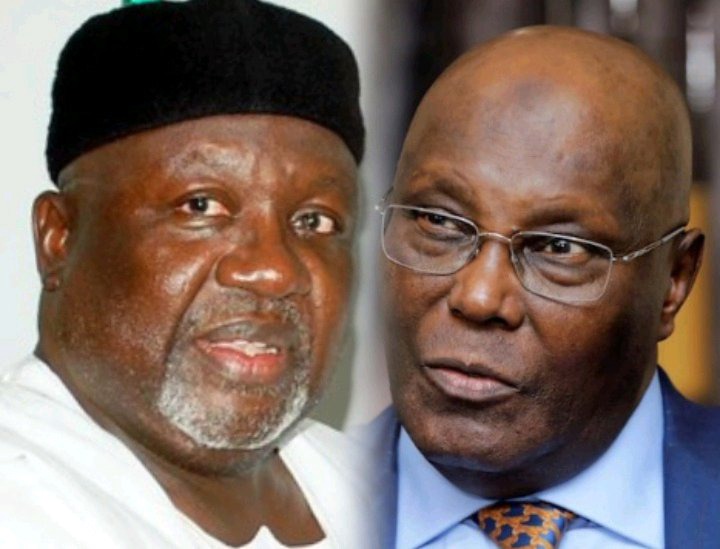
In a recent appearance on Trust TV, , a former Director General of the National Orientation Agency, shared his perspectives on the shifting landscape within Nigeria’s opposition parties and what it could mean for the country’s forthcoming elections.
Speaking during a live discussion, Farouk drew attention to a recent statement by , noting, “I heard Atiku Abubakar saying the other day that he will support whoever emerges.” He referenced this comment as an indication of a growing readiness among political leaders to place collective interest above personal ambition.
Farouk explained that although opposition parties may currently appear divided, such remarks suggest that influential figures are beginning to recognize the importance of unity. In his view, this emerging mindset could play a decisive role in strengthening the opposition’s position and enhancing its competitiveness in the electoral process.
He further emphasized that cooperation remains a cornerstone of any functional democracy, particularly when several strong candidates are vying for leadership. According to him, once party primaries are concluded, it becomes critical for aspirants to unite behind a single flag bearer to maintain political relevance and effectiveness.
Farouk also pointed out that the credibility of opposition leaders will depend largely on their ability to honor such commitments. He argued that Nigerians are less concerned with internal political disagreements and more focused on tangible solutions to pressing national challenges, including insecurity, poverty, and economic instability.
Additionally, he stressed that declarations of unity must be backed by genuine action. True collaboration, he said, requires sacrifice, mutual trust, and consistency among political actors, rather than mere public statements.
Looking ahead, Farouk predicted that the period leading up to the elections would witness increased political realignments, as parties and individuals seek strategic alliances to boost their chances at the polls.
He concluded by asserting that the success of any opposition movement will depend on its ability to remain cohesive while presenting a clear, people-centered agenda that resonates with the Nigerian electorate.