
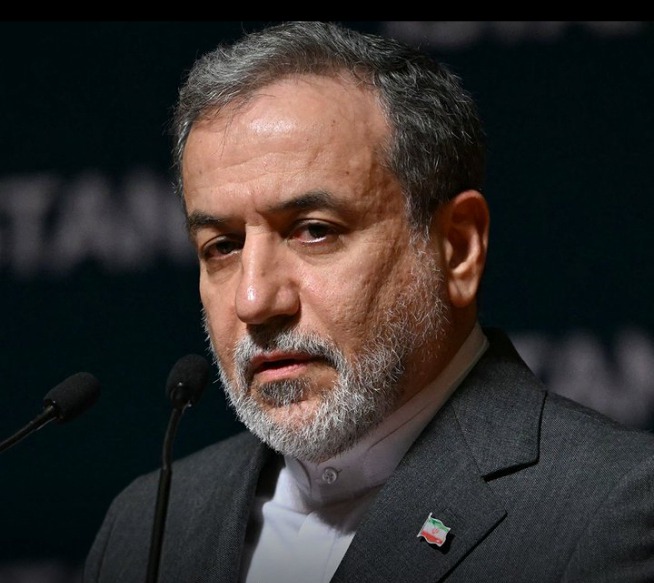
Iran’s Foreign Minister Seyed Abbas Araghchi issued a sharp warning on March 9, 2026, via X (formerly Twitter), sarcastically thanking the U.S. Central Command (CENTCOM) for allegedly confirming the deployment of HIMARS (High Mobility Artillery Rocket Systems) from neighboring countries’ territories against Iran.
In his post, Araghchi stated: “Thank you CENTCOM for admitting that you are using our neighbors’ territory to deploy HIMARS systems against our people, apparently including a desalination plant. Nobody should complain if our powerful missiles destroy these systems wherever they are in retribution.”
The statement escalates tensions amid the ongoing U.S.-Iran conflict, dubbed Operation Epic Fury by CENTCOM, which began in late February 2026. It follows Iranian accusations that U.S. strikes targeted civilian infrastructure, including a freshwater desalination plant on Qeshm Island in the Strait of Hormuz.
On March 7, Araghchi condemned that alleged attack as a “blatant and desperate crime,” claiming it disrupted water supplies to around 30 villages and set a dangerous precedent for targeting essential civilian facilities.
Recent reports indicate reciprocal strikes on water infrastructure have intensified regional concerns. Bahrain accused Iran of damaging one of its desalination plants on March 8, heightening fears that water—critical in the arid Persian Gulf—could become a primary target in the war.
Desalination plants supply drinking water to millions across Gulf states, and their vulnerability has raised alarms about humanitarian crises if escalations continue.
CENTCOM has released footage and statements highlighting HIMARS usage in strikes against Iranian military sites, including radar and missile launchers, often employing advanced munitions like Precision Strike Missiles (PrSM) and ATACMS.
While CENTCOM emphasizes targeting threats to U.S. forces and allies, denying civilian targeting, Araghchi’s post interprets a recent CENTCOM update or image as evidence of launches from Gulf neighbors’ soil, possibly linked to the desalination strike claims.
The remarks signal Tehran’s readiness for retaliatory strikes on U.S. assets in the region, including mobile HIMARS units. Analysts view this as part of a broader tit-for-tat dynamic, with Iran vowing to expand responses to perceived aggression.
Oil prices have surged above $100 per barrel amid the chaos, and fears of wider involvement grow as civilian infrastructure increasingly enters the crosshairs.