
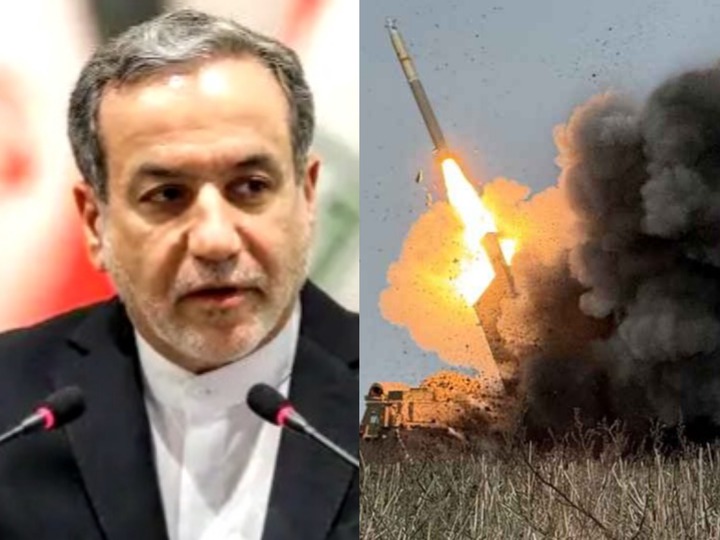
According to a report by Al Jazeera on March 16, 2026, Iran’s Foreign Minister Abbas Araghchi stated that the Strait of Hormuz remains open to Iran but inaccessible to its adversaries following escalating tensions and weeks of conflict in the region.
Araghchi said the strategic waterway, one of the world’s most important oil transit routes, is effectively restricted to countries that Iran does not consider hostile. His remarks came amid heightened regional instability after recent military exchanges involving Iran, the United States, and Israel.
He criticized nations now seeking assistance to secure the strait after the fighting intensified. “After 15 days of war, they have resorted to others to ensure the security of the Strait of Hormuz, turning to those they considered enemies until yesterday,” Araghchi said.
The Iranian diplomat argued that the shift reflects the difficulty opponents face in maintaining maritime security in the Gulf without broader international involvement.
“They are asking other countries to come and help them so that the strait remains open. From our perspective, the strait is open, but it is closed to our enemies, closed to those who carried out this cowardly aggression against us and to their allies.”
Araghchi also blamed Washington and Tel Aviv for triggering the conflict, saying the situation began after demands directed at Iran escalated into military action.
He added that US-Israeli attacks began “a war that the enemy started by demanding unconditional surrender”.