
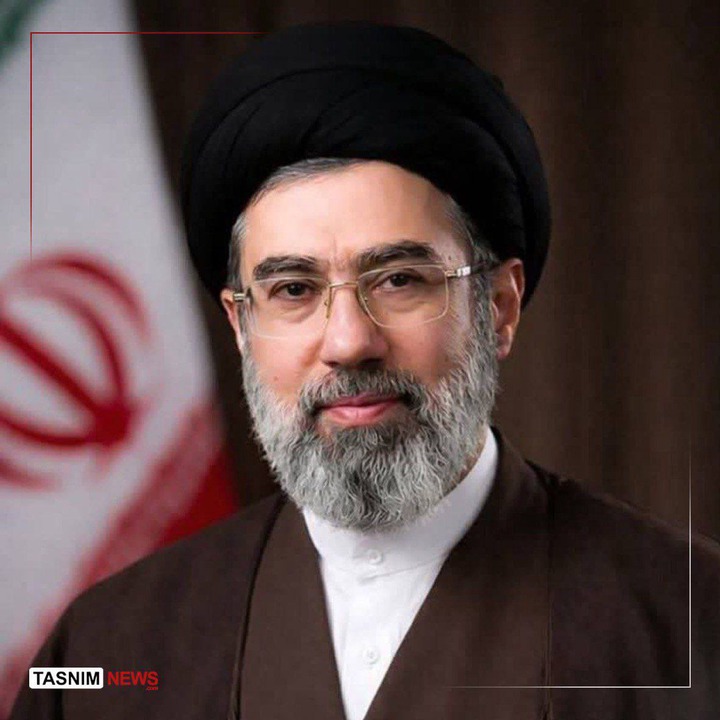
The Iranian regime’s claim of institutional continuity following the killing of Supreme Leader Ali Khamenei in the opening strike of the conflict is being undermined by the conspicuous absence of his designated successor, raising serious questions about the actual state of the regime’s leadership structure, according to Alex Traiman, CEO of the Jerusalem News Service bureau.
Traiman confirmed that Khamenei’s death — achieved by Israeli forces in the very first strike of the war, sixteen days before this broadcast — represented the most consequential decapitation of an adversary’s command structure in the modern history of the conflict between Iran and its opponents. He described the killing as having immediately and irreparably severed the top of the Islamic Republic’s entire governing apparatus.
What has followed, Traiman argued, has been a carefully managed but transparently hollow effort by regime loyalists to project an image of survival and succession. A statement purportedly from Khamenei’s son, Mojtaba — widely regarded as his father’s intended successor — was read aloud by a television anchor rather than delivered in person, with the statement itself claiming that the new supreme leader had only learned of his appointment from a hospital bed. Traiman found this explanation deeply revealing, suggesting either that Mojtaba has been killed or incapacitated, or that the regime is concealing his condition to prevent further collapse of morale and authority.
He drew a sharp contrast between this posture of managed weakness and the visible confidence being projected by Israeli and American leadership. Prime Minister Netanyahu, despite a sustained disinformation campaign falsely claiming his death, appeared publicly and took questions from reporters — including hostile ones from outlets not aligned with his government. President Trump, speaking publicly about the campaign, stated simply that the United States had won, though with a caveat that finishing the job completely remained essential to avoid returning to the same confrontation two years hence.
Traiman argued that the decision by the regime to have a statement read on Mojtaba’s behalf, rather than producing him publicly, is entirely consistent with the broader pattern of Iranian information management throughout the conflict — a pattern he characterized as one of manufactured narrative in the face of genuine and accelerating strategic collapse.