
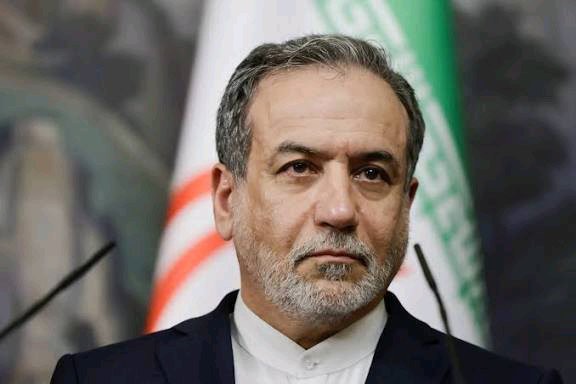
Iran’s Foreign Minister, Seyed Abbas Araghchi, has alleged that Israel carried out a series of coordinated attacks targeting some of the country’s most critical infrastructure, intensifying an already volatile situation in the Middle East.
In a statement shared on social media platform X, Araghchi claimed that the strikes hit two of Iran’s largest steel production facilities, a major power plant, and several civilian nuclear sites. According to him, the attacks were not isolated incidents but part of a broader operation that also affected other key installations across the country.
The Iranian official further asserted that Israel conducted the strikes in collaboration with the United States, a claim that, if substantiated, could deepen geopolitical tensions and draw greater international scrutiny. He argued that the timing of the attacks was particularly significant, as they allegedly came during a sensitive diplomatic window when efforts were underway to reduce hostilities.
Araghchi criticized the strikes as a direct blow to ongoing diplomatic initiatives, suggesting they undermined a previously extended deadline set by the U.S. government to allow room for negotiations. He warned that such actions risk derailing any chance of peaceful resolution and could provoke serious consequences.
In strong terms, the foreign minister vowed that Iran would respond decisively, emphasizing that the country would impose a “heavy price” for what he described as Israeli aggression. His remarks reflect the increasingly confrontational rhetoric between the two nations, as both sides continue to exchange accusations and threats.
The developments come against the backdrop of escalating hostilities between Iran and Israel, with analysts warning that attacks on vital infrastructure especially energy facilities and nuclear-related sites carry the potential to trigger a wider regional conflict. As tensions rise, concerns are growing within the international community about the risk of further escalation and the possibility of a broader confrontation in the region.