
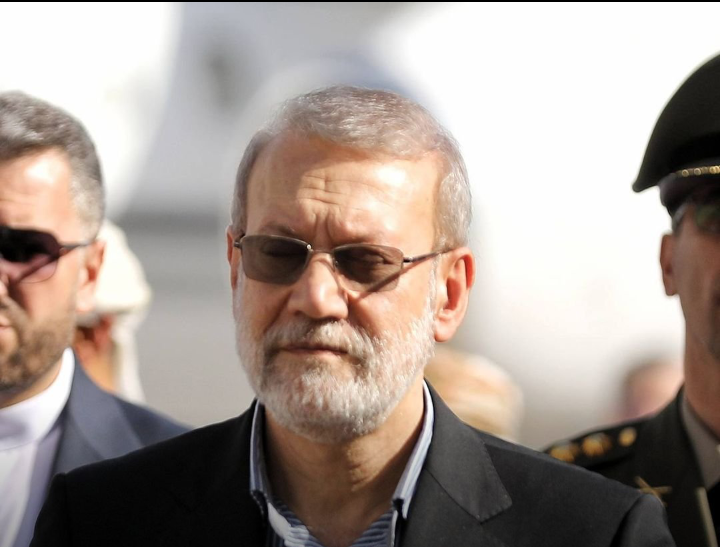
As reported by The Times of Israel on March 16, 2026, Iran’s top security official, Ali Larijani, sharply criticized several Islamic nations, accusing them of abandoning Iran during its conflict with the United States and Israel. Speaking on Monday, Larijani expressed deep frustration over what he portrayed as a lack of solidarity from countries that share religious and regional ties with Tehran during a period of heightened military confrontation.
In his remarks, Larijani singled out the United Arab Emirates for particular condemnation. He noted that Emirati officials had described Iran as an enemy following attacks on Emirati targets, a characterization he suggested represented a profound shift in regional alignment. For Tehran’s leadership, such statements were viewed not merely as diplomatic criticism but as evidence of a broader political distancing by certain Islamic states amid escalating tensions.
Larijani’s accusation underscores the complex and often fragile dynamics within the Islamic world during periods of geopolitical conflict. His comments reflect Iran’s perception that, during its confrontation with both Washington and Jerusalem, expected regional support failed to materialize. The statement therefore highlights growing divisions among Muslim-majority nations, revealing how strategic interests, security concerns, and regional alliances can reshape relationships even among countries that share longstanding cultural and religious connections.