
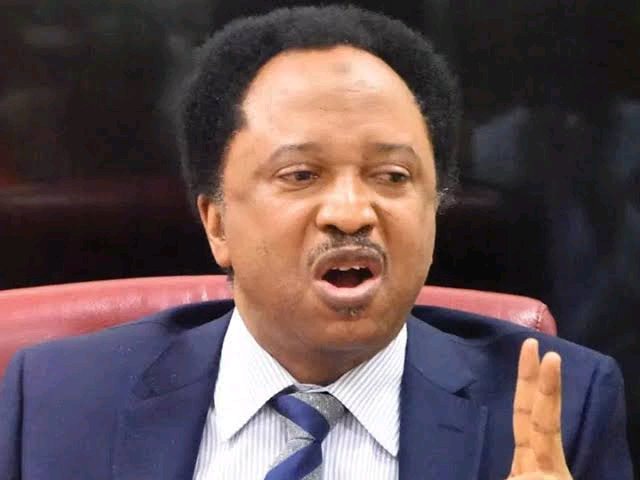
Former Kaduna Central senator Shehu Sani has raised questions about the international response to the escalating tensions involving Iran and the United States, suggesting that global powers may be selectively seeking support from certain regions while overlooking others.
Sani made the remarks in a post shared on X, where he commented on reports indicating that several countries had been approached to support potential military efforts but declined to participate.
His statement appeared to reflect broader concerns about how international alliances are being mobilized amid rising geopolitical tensions in the Middle East.
According to the former lawmaker, multiple regions had reportedly been invited to join the conflict but had refused involvement.
“Arabs are called to join the war; they declined. Europeans were called, but they refused. The Chinese and Australians are called, and they rejected,” Sani wrote.
He then raised a rhetorical question about the absence of African nations in discussions surrounding potential participation in the conflict, suggesting that the continent was not being considered despite its growing role in global affairs.
“Why is he not calling on African countries to join?” Sani asked, in what many observers interpreted as a critique of how global powers engage different regions during times of conflict.
The comment referenced former U.S. President Donald Trump, whose administration was known for its strong stance on Iran and its efforts to rally international support against Tehran.
Although Sani did not elaborate further, his remarks sparked discussions among social media users and political observers about Africa’s position in global geopolitics and the continent’s relationship with major world powers.
The tensions surrounding Iran have remained a major topic of international debate in recent years, particularly due to disputes over nuclear activities, regional security concerns, and the strategic importance of Middle Eastern energy routes.
Many governments across Europe and Asia have urged restraint and called for diplomatic engagement rather than deeper military involvement. Several countries have emphasized the importance of dialogue and multilateral negotiations to prevent the conflict from escalating into a broader regional crisis.
Analysts note that the reluctance of many nations to participate in military operations often reflects concerns about economic consequences, domestic political pressures, and the potential risks associated with a wider war.
In Africa, governments have generally focused on maintaining neutrality in external conflicts while prioritizing regional stability and development.