
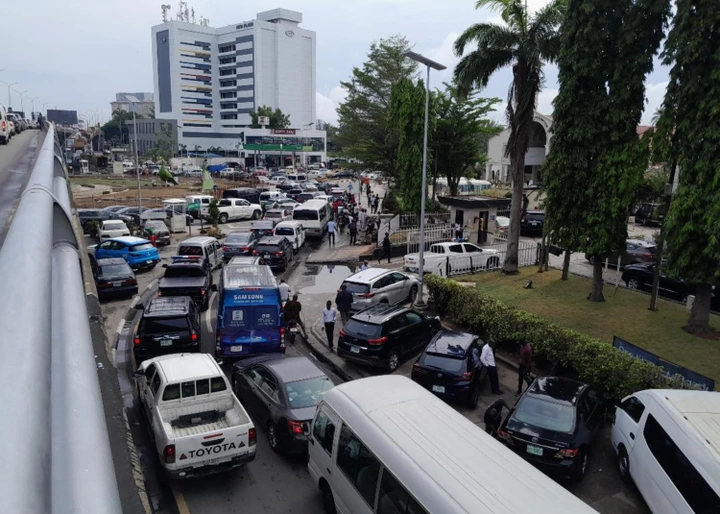
Lagos State government is considering the development of new towns as the city grapples with rapid population growth, limited land and overstretched infrastructure.
The commissioner for Physical Planning and Urban Development, Dr Oluyinka Olumide, who disclosed this at a public forum held in Lagos recently, said the state’s demographic expansion has far outpaced conventional urban planning models, placing unprecedented pressure on housing, transportation, and public services.
“Lagos, with an estimated population of 25 million people occupying just 0.4 per cent of Nigeria’s landmass, faces congestion levels that demand innovative and deliberate planning,” Olumide said.
He noted that sustained migration from other parts of Nigeria and abroad continues to intensify demand on the state’s already strained physical and social infrastructure.
According to the commissioner, overcrowding in established districts has fueled unregulated settlements and urban sprawl, increasing environmental risks and threatening long-term liveability.
He said the creation of new towns offers a structured way to redistribute population growth and open up less-developed areas in an orderly manner.
“Developing new towns allows us to manage growth proactively rather than react to congestion after it has already become unmanageable,” Olumide said.
He explained that the government is reviewing operational development plans, expanding physical planning schemes, and strengthening collaboration with private developers to ensure that emerging communities follow approved layouts.
The aim, he said, is to avoid the haphazard development patterns that have historically led to the creation of slums and inadequate infrastructure.
Environmental considerations are also central to the initiative. Olumide cited disruptions to natural drainage systems in parts of Lagos Island and other districts, which have left communities increasingly vulnerable to flooding.
He said the proposed new towns will feature modern drainage networks, climate-resilient designs, and protected corridors to reduce environmental risks.