
According to a report by The Times Of Israel on March 5, 2026, the ambassadors of Iran and Israel held separate news conferences in Seoul, exchanging pointed accusations amid the ongoing escalation in the Middle East.
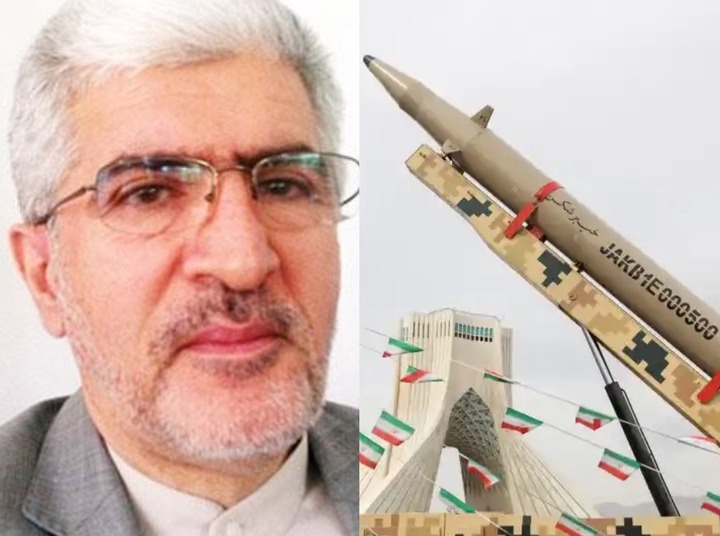
Iran’s Ambassador to South Korea, Saeed Koozechi, speaking through an interpreter, urged Seoul — a crucial US ally — to be more outspoken in condemning what he described as “illegal aggression” by US and Israeli forces, which launched strikes while nuclear negotiations were still underway. He warned that “many coffins would return to the United States if it decides to deploy ground forces” and defended Iranian attacks on Gulf nations hosting US military bases as necessary measures.
In response, Israel’s Ambassador in Seoul, Raphael Harpaz, said the combined US-Israeli operations target Iran’s nuclear facilities and ballistic missile infrastructure. He emphasized that the campaign also seeks to assist the Iranian population in breaking free from systemic oppression.
South Korea has historically backed US-led diplomatic initiatives aimed at limiting Iran’s nuclear capabilities. However, it has refrained from directly endorsing the military strikes, instead urging a rapid return to dialogue and negotiation.
By calling for dialogue rather than taking a definitive stance, Seoul seeks to avoid escalation while signaling concern over the ongoing attacks.
The diplomatic exchanges in South Korea illustrate the intensifying global attention on the Middle East conflict, as nations grapple with the potential consequences of military confrontations amid unresolved nuclear negotiations.