
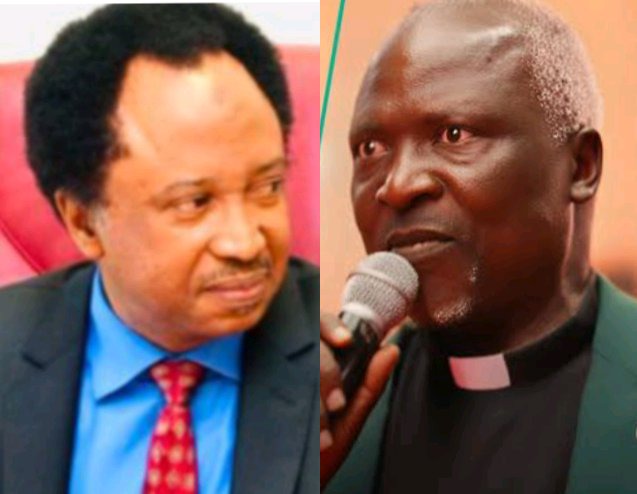
Public reactions have continued to trail comments made by a chieftain of the All Progressives Congress (APC) and former senator who represented Kaduna Central at the National Assembly, Shehu Sani, following remarks by Nigerian cleric Reverend Ezekiel Dachomo declaring that he has no intention of leaving the country.
Shehu Sani shared his position through a post on his official X (formerly Twitter) account on Thursday, March 5, 2026, shortly after a report about the cleric’s statement began circulating online and attracting attention from many Nigerians.
According to a report published by Daily Post, Reverend Dachomo revealed that he had been offered asylum by several foreign countries but had declined the offers because he believes his place is in Nigeria alongside the people he leads and serves. The cleric explained that leaving the country at a time when many citizens are facing challenges would contradict the values he stands for.
While speaking on the matter, he insisted that he would not allow fear to determine his decisions. He said he remained confident in his stance and maintained that he would continue to stand with Nigerians despite any pressure or circumstances that might arise.
“I’m not afraid of them; they should be afraid of me. I’ve been offered asylum in Australia, Austria, and other countries, but I turned them down. I’m not going anywhere. I stand with them,” the cleric stated.
His comment quickly drew widespread attention online, with many people debating the tone and implications of his statement. Some individuals praised his decision to remain in the country and interpreted his words as a sign of courage and commitment to his followers. Others, however, believed that the statement was too confrontational and capable of creating unnecessary tension.
Reacting to the report, Shehu Sani expressed concern over the nature of some of the comments attributed to the cleric. In the post he shared on his verified X account, the former lawmaker emphasized the importance of promoting religious beliefs responsibly without attacking the beliefs of others.
He wrote that while every individual has the freedom to defend and promote their faith or personal convictions, such expressions should not cross the line into insulting or discrediting the beliefs held by others.
His remarks added another layer to the conversation already taking place across social media platforms, where Nigerians have continued to share mixed reactions to the issue. As the discussion spread further online, several users offered differing interpretations of both the cleric’s initial statement and the response given by the former senator.
For some observers, the exchange highlights the sensitive nature of religious discussions in a diverse society like Nigeria, where citizens practice different faiths and hold varying perspectives on social and national issues. Others see the debate as a reflection of the broader conversations currently taking place in the country about leadership, freedom of expression, and the responsibilities that come with public influence.
As the story continues to circulate, it has become one of the many topics generating conversations across social media platforms, with Nigerians closely following the reactions and contributing their own views on the matter.