
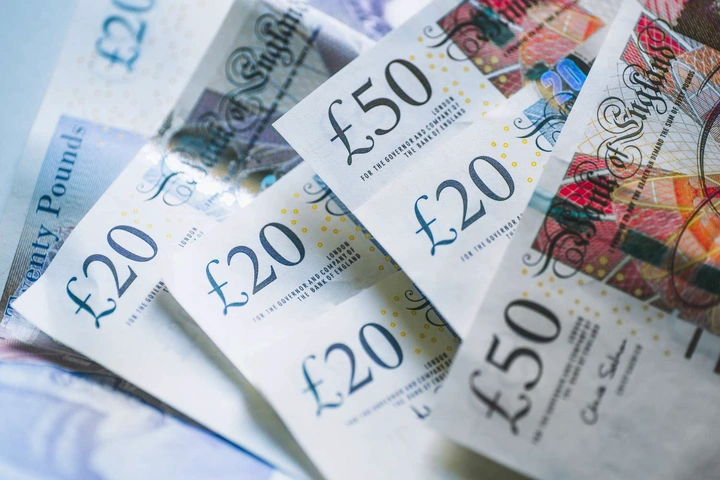
Latest market action showed Naira was stable against the British pound in the Nigerian foreign exchange market amid increased demand for naira-denominated assets and poor economic performance in the UK.
The naira settled at N1,850/£1 at the official market on Wednesday.
Price action suggests that the psychological ‘break’ below N1,900/£ has boosted NGN bulls’ morale, as the naira held most of its gains against the British pound this year.
Market analysis indicates that the 1,850/£ level may be targeted within the current week.
The parallel market remains closely aligned with the official market, with the current exchange rate for pound sterling traded at N1,878/£.
The spread between the foreign exchange official rate and the ‘black market’ is now less than 2%. The market alignment is likely due to increased (or even unrestricted) access granted to Bureau De Change (BDC) operators, which has effectively demystified access to foreign exchange for retail traders.
The Nigerian Apex Bank prioritizes currency stability over aggressive appreciation, aiming to reduce volatility and build market confidence. The naira’s value is mainly driven by local factors such as oil production, fiscal policy, foreign exchange inflows, and the success of local monetary reforms, even though the British Pound (GBP) remains a significant international reserve and trade currency.
British pound falls lower in global markets
The pound sterling (GBP) continued its weekly decline on Thursday amid rising tensions in the Middle East and strong US employment data ahead of Friday’s Nonfarm Payrolls report.
The pound dipped at 1.334 against the US dollar and declined 0.2 percent against its major currency peers during Thursday’s London trading session.
Concerns over rising energy costs, which could lead to stagflation where inflation accelerates while economic growth and employment stagnate, are pressuring the pound.
Higher energy prices could prolong inflationary pressures that are already above the Bank of England’s (BoE) 2% target since the UK imports a large portion of its energy.
The UK’s headline inflation rate dropped to 3% year-over-year (YoY) in January. The GBP/USD pair rebounded Tuesday after hitting a three-month low of 1.325.
Meanwhile, stronger US job data could lead traders to reduce their bets on a dovish Federal Reserve (Fed). The ADP Employment report released Wednesday showed the private sector added 63K new jobs in February, much higher than the previous 11K and the forecast of 50K.
Global equity markets have shown little panic so far despite the deteriorating geopolitical situation. Stability in the equity market is crucial for the pound to benefit from rising short-term bond yields.
However, rising oil and gas prices are expected to prevent a significant decline in UK inflation, leading some economists to believe the Bank of England may not lower interest rates this year.
British pound outlook remains bearish
The recent rise in bond yields supports the pound reliably so far this week if global equity markets do not panic.
Risks remain high due to ongoing disruptions of export facilities and key shipping routes in the Middle East, with oil and gas prices staying near their peaks. Prolonged high energy prices could negatively impact the global economy and stock valuations.
China has instructed its refiners to halt gasoline and diesel exports because of disrupted crude deliveries due to conflict, adding further pressure to the foreign exchange market.
If tensions persist and energy markets stay tight, the pound could face significant pressure, losing ground against the euro and the dollar if there’s a major selloff in the UK capital markets.
The greenback might resume its upward trend because of Tehran’s denial of negotiations with Washington and threats of a prolonged conflict, but the pound is struggling to sustain its recovery.