
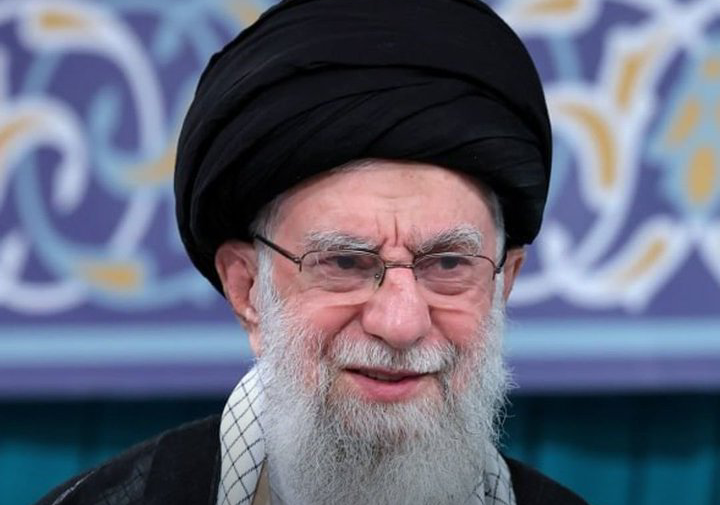
As reported by The Times of Israel on March 5, 2026, the passing of the wife of Iran’s former Supreme Leader Ali Khamenei has highlighted the extraordinary secrecy surrounding her life.
For decades, she remained almost entirely absent from public attention, her presence in official or social events virtually nonexistent, creating an aura of near-invisibility that persisted until her death. Her passing, when announced, was done so with an unusual reluctance, underscoring the private nature of a figure intrinsically linked to one of the most powerful and opaque leaderships in modern history.
Observers note that her absence from public life was consistent with the broader culture of controlled visibility in the Iranian political elite, where even family members of top leaders are shielded from widespread exposure. This deliberate discretion has fueled speculation and curiosity, leaving many to wonder about her role behind the scenes and the dynamics within Khamenei’s inner circle. The sparse information about her life has made each fragmentary revelation, including her death, a significant moment for historians and analysts of Iranian politics.
Her life and death serve as a stark reminder of the tightly guarded boundaries of private life in Iran’s ruling elite, demonstrating how personal narratives are often eclipsed by political authority. In revealing her death only reluctantly, the Iranian leadership reinforced the enduring mystique surrounding its most secluded figures, leaving the public with questions about the private lives entwined with the nation’s power corridors