
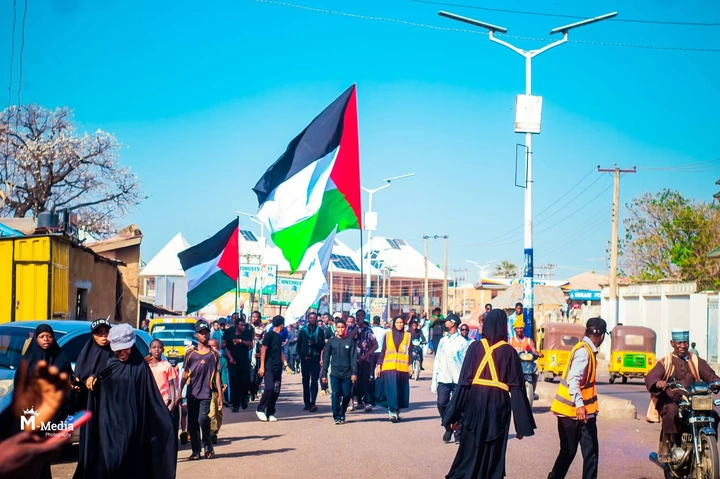
The imagery is stark and brutally honest: the remnants of a once-formidable force are thrashing in their final throes. The Islamic Revolutionary Guards Corps of Iran, a symbol of a revolution that devoured its own potential, is kicking. And as any seasoned observer of conflict knows, the kicks of a dying horse are the most dangerous. They are indiscriminate, fuelled by desperation, and capable of inflicting grievous wounds on anything within reach—most tragically, on non-military targets that lie helplessly in their path.
This was the grim reality laid bare in recent days. Reports emerged of damage to some of the most stunning architectural achievements of the modern Middle East. I walked through Zayed International Airport in Abu Dhabi in 2024—a cathedral of modern travel, a symphony of organisation and aesthetic beauty. The thought of it scarred by shrapnel is a cultural tragedy. I have gazed at the distant silhouette of the Burj Al Arab against the Dubai skyline, a proud landmark symbolising visionary ambition. And in Doha, the Hamad International Airport is not merely a transit hub; it is an avant-garde masterpiece, a seamless blend of steel, mortar, and verdant life where the boundaries between indoors and out, day and night, dissolve into a feast for the eyes. To even temporarily close such a nexus of global commerce is to inflict incalculable economic disruption on individuals, businesses, and governments across the planet.
But the damage is more than concrete and steel. It is a metaphor for a forty-year tragedy. There was a time when Iran was the region’s undisputed leader in education, science, and technology—a civilised society with Western-standard advancement. The 1979 Islamic Revolution, which swept away the Pahlavi dynasty, did not just change a government; it reversed the very course of a nation’s progress.
As the clerics consolidated power, Iranians watched in a state of stupefaction. They saw their former peers in the UAE, Bahrain, and Qatar transform barren deserts into global centres of commerce and culture. While Dubai built towers, Tehran built barricades. While Doha built universities, Iran’s leadership channelled its remaining scientific talent into developing weapons of mass destruction and exporting a radical ideology that has normalised depravity.
Iran sits on some of the most serious oil reserves in the world, yet its people have reaped none of the benefits. The wealth of the earth has not trickled down to improve the quality of life; it has been siphoned into a theocratic machine dedicated to sponsoring terrorism and violent Islamic sects. From the streets of Beirut to the battlefields of Syria and Yemen, the export of the Iranian revolution has contributed nothing but death and misery.
Now, with the reported destruction of the house of the Khomeini dynasty, there is a fragile hope. A hope that a nation can retrace its steps from the precipice, de-emphasise the stranglehold of religion on state affairs, and rejoin the global drive for peaceful existence and economic growth. But make no mistake, the poison is not easily drained. A whole generation of Iranians has known no other system than the extremism their Supreme Leaders symbolised. They are potent, radicalised, and waiting. If not curtailed, they can and will regroup, seeking to prove that the dying horse can still deliver a fatal kick.
The Nigerian Parallel: An Unholy Romance
Which brings us to the uncomfortable, painful truth at home. It is a sad geographical irony that after Afghanistan and Yemen, Nigeria is perhaps the only country in the world with a sizable population that feels a phantom pain whenever Iran is targeted for its extremism. We watch theocratic chaos unfold in the Persian Gulf and fail to recognise our own reflection.
We are leaving the door wide open for the infusion of religion into state affairs. From our legal systems to our political governance, the “unholy romance” between mosque, church, and state deepens. Are we then surprised by the violence? Is Boko Haram, ISWAP, the banditry of Lakaruwa, and the terror attributed to Fulani militants not enough evidence to wake us from our slumber? These are not spontaneous outbreaks of criminality; they are the logical, bloody offspring of a political system that legitimises religious prejudice. They are the proof that when you marry religion to the state, the children are violence, killing, and economic devastation.
The United States, in its recent policy signals, has recognised this core dysfunction. The decision to push for the expunging of religious theocratic frameworks from Nigerian legal, political, and social systems is not Western imperialism; it is an act of painful, necessary triage. It is a diagnosis we must accept, no matter the threats issued by religious bigots and inflammatory preachers. Their noise is the sound of a system fighting to survive, much like the dying horse in Tehran.
Because after Iran, Nigeria is the nation with the greatest misfortune: we harbour hordes of living beings who, even in the face of its destructive effects, continue to inject religious prejudice into every facet of public life.
Nigeria stands at a crossroads. We can continue down the path blazed by the Iranian revolution—a path that leads to pariah status, economic stagnation, and internal collapse. Or we can finally sever the toxic bond. We must halt this unholy romance of state and religion, no matter what it takes. The kicks of a dying horse are dangerous, but we must ensure we are not standing in its stable.