
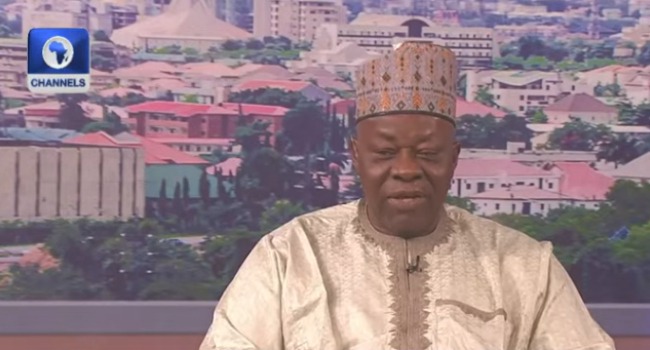
According to a report by Channels Television on Saturday, March 7, 2026, Professor Jubrin Ibrahim, a Nigerian political scientist, academic, and activist, has expressed opposition to the proposal that the administration of a planned state police system should remain under the control of state governments.
The professor made his position known while speaking as a guest on Channels Television’s Sunrise programme on Saturday, where he addressed issues surrounding the ongoing national discussion about the creation and structure of state police in Nigeria.
During the programme, Professor Ibrahim raised concerns about the structure being suggested for the proposed policing system and warned that placing the operational authority of state police directly under state governors could create serious challenges within the country’s governance and security framework.
He explained that the expectations surrounding the introduction of state police are largely based on the belief that such a system could improve security management and bring law enforcement closer to local communities across the country.
Despite these expectations, he stressed that the manner in which the new system is organized and supervised would determine whether it achieves the goals that supporters of state policing believe it can deliver.
Professor Ibrahim argued that if the authority of the state police remains primarily under the influence of state governors, there is a possibility that such control could be misused for political purposes or personal interests within individual states.
He indicated that concerns about the misuse of authority should be taken seriously when designing the structure of any new policing arrangement, especially in a system where political office holders might have direct influence over the activities of security agencies operating within their jurisdictions.
The professor maintained that the national debate over the establishment of state police should focus not only on the idea itself but also on the operational framework that would guide its activities and the level of independence the policing structure would have from political actors.
He further questioned the purpose of introducing a new policing structure if it would not represent a significant shift from the existing arrangement currently managed by the Nigeria Police Force, noting that such a reform should involve meaningful institutional changes.
He said, “However, if the state police is under the control of the Police Force, then I don’t know what the argument is. Why proceed if you are not bringing a fundamental change to the system?”