
In Nigeria’s cities, kidney disease is no longer rare. From Aba’s bustling markets to Lagos’ corporate offices, more Nigerians are living with declining kidney function than most realise. Yet conversations about kidney health are still too few—and often come far too late, when dialysis or transplantation is already the only option.
Chronic Kidney Disease (CKD) has quietly become a major public health challenge. According to the Nigerian Association of Nephrology, an estimated 25 million Nigerians are affected. But the crisis does not begin in dialysis centres. It starts much earlier—in everyday habits, in the food we eat, in how we move, and in the subtle warning signs often ignored until serious damage occurs.
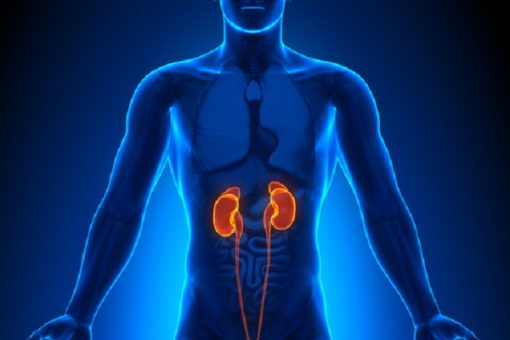
Understanding the problem requires a brief look at anatomy. The kidneys are remarkable organs, each containing roughly a million nephrons—the tiny filters that cleanse the blood and regulate fluid balance. Their efficiency is extraordinary, but it comes at a cost: the kidneys are highly sensitive to long-term strain. When high blood pressure or diabetes goes unchecked, the delicate vessels supplying the kidneys stiffen and scar. Filtration gradually declines, often without any obvious symptoms.
This damage is often invisible. The kidneys are resilient, capable of maintaining function even when up to 70 per cent of their capacity is lost. By the time swelling, fatigue, or other warning signs appear, the damage may already be irreversible, leaving only costly renal replacement therapies—treatments far beyond the reach of most families. Lifestyle is a key factor. Popular seasonings, processed foods, and salt-heavy cooking methods place continuous strain on the kidneys. Herbal mixtures, often prepared without dosage control or safety testing, compound the risk. Some contain heavy metals that accumulate silently in the body, forcing the kidneys to work harder until they can no longer cope.
Sedentary urban lifestyles worsen the crisis. In cities such as Lagos, Owerri, Enugu, and Port Harcourt, long hours at desks, extended commutes, and minimal movement have fuelled rising obesity rates and metabolic conditions like fatty liver disease. The human body was designed for movement. When movement disappears, systems that rely on it—including the kidneys—begin to struggle.
One clear lesson emerges: it is far better to prevent kidney disease than to treat it after the damage is done. CKD does not start in hospitals; it starts in homes, offices, and daily routines. Early action is key. Eating balanced meals, drinking sufficient water, avoiding prolonged sitting, and managing blood pressure and blood sugar can significantly reduce strain on the kidneys. When adopted early, many metabolic problems can be prevented before they escalate into conditions requiring lifelong medical care.
Education and community outreach are also vital. In Aba, school-based health programmes have demonstrated the benefits of early intervention. Children learn not only hygiene but also how their bodies function. Knowledge gained early reduces the likelihood of costly and life-altering complications later in life. Screening and awareness remain essential. High blood pressure and diabetes often precede kidney disease by years. Yet routine checks are frequently skipped, leaving Nigerians unaware of slow, cumulative damage. Because the kidneys adapt and compensate, people may feel perfectly well while their organs silently deteriorate.