
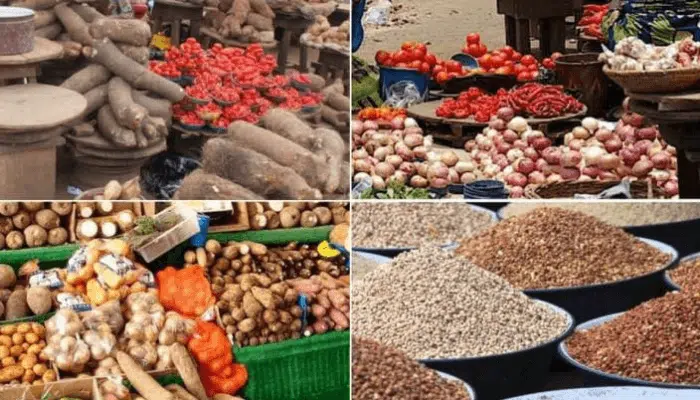
Nigerians continue to grapple with rising food prices as the cost of basic household staples climbs sharply across markets. From rice to spaghetti, and from seasoning cubes to vegetable oil, the strain on household budgets is increasingly visible.
According to recent market checks, below is a breakdown of current retail prices for commonly consumed food items in Nigeria:
Current Price List of Food Items (February 2026)
Spaghetti (one carton): ₦18,500
Semo (one bag): ₦12,500
Indomie (carton): ₦9,800
Maggi Knorr (carton): ₦2,100
Golden Penny Butter (unit): ₦900
White & Red Beans (Moddle measurement): ₦2,500
Cornflakes (one roll): ₦1,300
Choco Pops (one roll): ₦1,300
Tomato Paste (one roll): ₦1,200
Terra Oil (1 litre): ₦3,300
Salt (big size): ₦450
Bag of Rice (50kg): ₦58,000 – ₦61,000
These increases highlight a sustained trend of inflationary pressure on food and essentials.
Factors Contributing to the Price Hike
1. Currency Depreciation
The weakening of the Nigerian Naira against the US Dollar has made imports, including food ingredients, packaging materials, and additives, more expensive, directly impacting local production costs.
2. Transportation Costs
High fuel prices and insecurity on major supply routes have increased the cost of moving goods from farms and factories to market hubs.
3. Production Challenges
Local food producers face challenges such as poor power supply, high cost of diesel, and frequent machinery breakdowns, all of which increase unit costs.
4. Import Dependency
Products like spaghetti, cornflakes, and vegetable oil often rely on imported raw materials or are fully imported, making them susceptible to global price fluctuations.
5. Supply Chain Disruptions
Floods, poor storage facilities, and rising insecurity in farming areas have disrupted local agricultural production, tightening supply.