
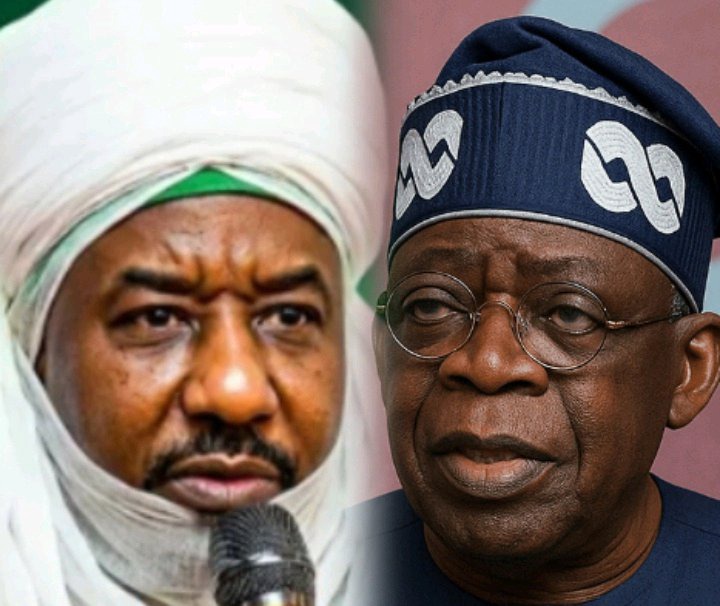
In a recent interview broadcast on Symfoni TV, addressed key issues shaping Nigeria’s economic direction, with particular emphasis on the petroleum sector, subsidy policies, and the need to strengthen domestic refining capacity.
During the discussion, he underscored the contradiction in Nigeria’s continued reliance on imported refined petroleum products despite being a major crude oil producer. He stated, “We cannot continue to support foreign refineries when we are an oil-producing country.” This remark highlighted his concern about the structural imbalance within the nation’s energy framework.
Sanusi explained that dependence on foreign refineries is economically unsustainable, as it introduces inefficiencies and places long-term pressure on public finances. According to him, such a model weakens the country’s economic resilience and undermines efforts to achieve stability in the broader macroeconomic environment.
He acknowledged that reforms within the petroleum sector are ongoing but stressed that these efforts must ultimately lead to the development of sufficient domestic refining capacity. In his view, Nigeria should prioritize building infrastructure capable of meeting local demand rather than relying on external sources.
The former emir also pointed out that continuous importation of refined products significantly depletes foreign exchange reserves. This, he noted, limits the country’s ability to stabilize its currency and manage economic fluctuations effectively. He argued that investing in local refining facilities is essential not only for economic efficiency but also for ensuring energy security.
Sanusi further emphasized the importance of consistent policy implementation. He warned that frequent policy changes, without addressing underlying structural challenges, could hinder meaningful progress in the sector. For decades, he observed, Nigeria’s inability to achieve self-sufficiency in refining has been driven by both policy inconsistencies and infrastructural deficits.
In conclusion, he stressed that genuine reform in the petroleum industry requires more than eliminating inefficiencies. It demands the establishment of strong domestic systems capable of supporting production, refining, and distribution, thereby positioning Nigeria for long-term economic stability and growth.