
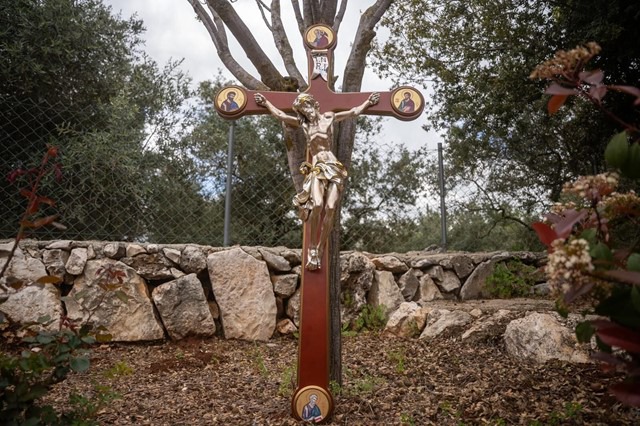
According to a report by Sky News on Tuesday, April 21, 2026, the Israel Defense Forces (IDF) has released a photo showing a newly installed statue of Jesus in southern Lebanon, replacing one that was recently destroyed in an incident involving its personnel.
According to the military, the replacement was carried out “in full coordination” with the local community in the town of Debel. However, independent confirmation from residents or local authorities has yet to be made public.
In a statement accompanying the image, the IDF expressed regret over the earlier incident, describing it as unacceptable and assuring that steps are being taken to prevent a recurrence.
“The IDF expresses deep regret over the incident and is working to ensure that it does not happen again in the future,” the statement said.
The development follows disciplinary action taken against two Israeli soldiers linked to the destruction of the original statue. The military confirmed that one soldier who damaged the Christian symbol and another who recorded the act have both been removed from combat duties and sentenced to 30 days of military detention.
Additionally, other personnel who were present during the incident but did not intervene have been summoned for further questioning. The IDF said command-level decisions regarding those individuals would be made after internal reviews are completed.
The controversy began after a video surfaced online showing an Israeli reservist striking a statue of Jesus with a sledgehammer. The footage quickly went viral, drawing widespread criticism and prompting calls for accountability. The Israeli military later verified the authenticity of the video and confirmed that the soldier involved had been identified.
The incident also triggered reactions beyond official circles. More than 150 Jewish leaders reportedly signed a joint letter condemning the act, describing it as disrespectful and harmful to interfaith relations.
Israeli Prime Minister Benjamin Netanyahu also denounced the destruction, condemning the act in strong terms and emphasizing the importance of respecting religious symbols and sites.