
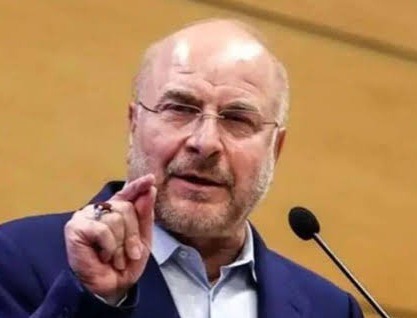
According to a report by The Times Of Israel on April 22, 2026, Iran’s parliament speaker and chief nuclear negotiator Mohammad Bagher Ghalibaf has said that a comprehensive ceasefire with the United States would only be valid if it is not undermined by what he described as a US blockade of Iranian ports. He stressed that such actions would weaken any agreement and make lasting peace difficult to achieve.
Ghalibaf made the comments in a post shared on X, where he argued that the reopening of the Strait of Hormuz would be impossible under what he called a “flagrant breach of the ceasefire.” He suggested that continued restrictions and pressure on Iran’s maritime access would further escalate tensions rather than reduce them.
He also warned both the United States and Israel, saying their strategies had failed to produce results. Quoting his remarks, he said, “Israel did not achieve their goals through military aggression, and they will not achieve them through bullying,” adding, “The only way is to accept the rights of the Iranian people.” The statement reflects Tehran’s position that external pressure will not force policy changes.
The remarks come at a time of continued friction between Iran and the United States over sanctions, naval operations, and regional security issues. The Strait of Hormuz, a key global oil shipping route, remains central to the dispute, with Iran viewing control and access to it as a strategic asset.
Ghalibaf’s comments underline Tehran’s demand that any ceasefire must include reciprocal respect for Iran’s sovereignty and economic rights. His statement also signals that Iran sees ongoing US pressure as incompatible with de-escalation efforts.