
Key Points
-
Properly secured netting is the most effective way to protect ripening fruit from birds.
-
Visual scares, noise, and repellents work best when used as part of a layered approach.
-
No single deterrent offers foolproof protection, so you should combine and adjust methods over time.
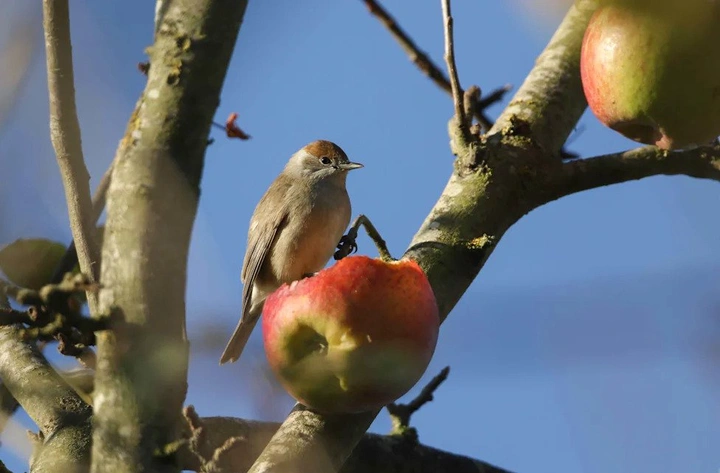
While birds play an important role in a healthy garden ecosystem, there’s nothing more frustrating than watching them swoop in to feast on fruit you’ve carefully cultivated for months.
The good news is you can significantly reduce harvest losses while still coexisting with the wildlife that makes your garden vibrant.
If you’re looking to understand how to protect fruit from birds, try a combination of these six humane and effective techniques.
There Are No Foolproof Methods
No single technique will completely prevent birds from pecking on your fruits. The most successful gardeners combine strategies to create a difficult environment for birds. Also, bird behavior varies by species and location, and they’re smart creatures. As a result, what works one season may need adjusting the next.
Netting
Most experts agree that netting is the most effective way to physically prevent birds from eating your berries or ripening fruit harvest. When done properly, this barrier completely excludes birds rather than only deterring them.
The simplest option is to drape some lightweight netting over your fruit trees or shrubs. However, sometimes birds are still able to peck through, pull fruit off, or even slip underneath when the netting rests directly on the branches.
Suspending the netting over a post-and-wire frame and then securing it tightly to the ground prevents this problem from occurring while still allowing you to easily access your harvest.
The upfront costs, setup time, and required repairs to any tears are often worth it, as high-quality netting can last several seasons when stored and maintained properly.
Attract Native Predators
Encouraging birds of prey like hawks, owls, and kestrels to visit your garden can act as a form of biological control and a natural deterrent to smaller species that are less likely to settle and feed if they sense this type of danger.
Installing tall perches or nest boxes and maintaining natural habitat hedgerows near your growing area may attract these predators.
Visual Scare Tactics
Visual deterrents rely on the bird’s instinct to avoid unfamiliar things or those with unpredictable movement, which it sees as a threat. Scarecrows, reflective streamers, predator decoys, strobe lights or lasers, and balloons with eye patterns all serve this function.
However, you need to regularly rotate and reposition these objects around your garden to prevent birds from becoming habituated, and they work best when used in combination with other tools.
Noise Makers
Sound-based deterrents such as propane cannons, species-specific distress call recordings, and hanging metal objects that clang in the wind can help to create an environment that birds find uncomfortable or threatening.
Variation of volume, timing, and location is the key to success, as birds can quickly learn to ignore repetitive sounds. Also be aware of any local noise regulations and be considerate of your neighbors.
Artificial Grape Deterrent
Birds find the compound methyl anthranilate unpleasant. Handily, there are grape-flavored drink mixes that contain this ingredient, and it’s harmless to plants and generally safe for humans, birds, and the environment.
By mixing several packets of grape drink mix into a gallon of water and spraying it onto fruit as it begins to ripen, it may make it less appealing to the winged visitors in your yard.
However, this method requires frequent reapplication to remain effective, especially after rain.
Table Sugar
Spraying a concentrated sugar solution (5 pounds of sugar dissolved in 2 quarts of warm water) onto fruit as it ripens may act as a deterrent.
While this may seem counterintuitive, many birds can’t process sucrose (table sugar) properly. This disaccharide is different from the digestible simple monosaccharide sugars birds consume when eating the fruit on your trees.
This bird repellent is another one that’s best used as part of a broader control strategy, and you’ll need to regularly reapply, especially after rainfall, for it to remain effective.