
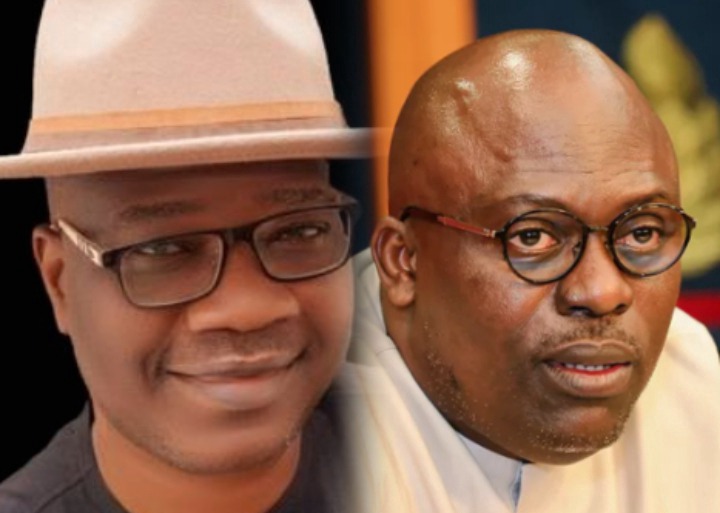
He explained that despite the depth of political disagreements in the state, there remains the possibility of alternative roles for the governor within the federal structure, depending on how ongoing political settlements are reached.
Ojo noted that in Nigeria’s political system, it is not unusual for outgoing or politically displaced governors to be considered for ministerial, ambassadorial, or other federal appointments as part of reconciliation efforts or party power-balancing arrangements.
He further observed that the Rivers State situation reflects broader issues such as godfatherism, loyalty expectations, and internal party power struggles, particularly in relation to the influence of former governor Nyesom Wike.
According to him, while such “compensation politics” may help ease immediate tensions, they do not necessarily resolve the deeper structural conflicts driving political disputes within parties and states.
He stressed that the future stability of Rivers State politics will depend on the willingness of key actors to respect reconciliation agreements and manage internal disagreements constructively.
Ojo concluded by warning that although compensatory appointments are common in Nigerian politics, they should not replace credible democratic processes or undermine electoral accountability in future elections.
Click the link to watch the video from 13:32-13:40