
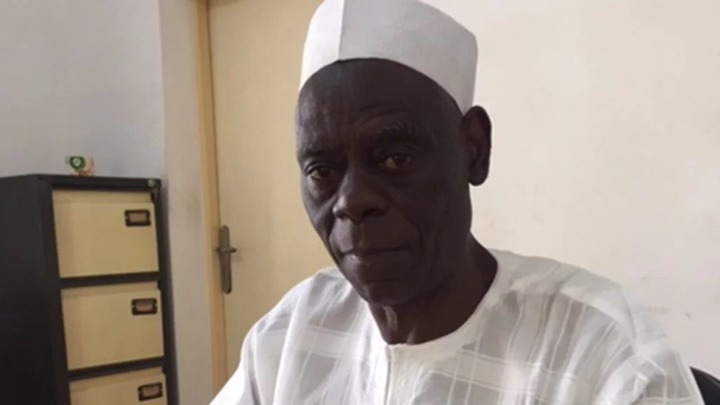
According to a report by Daily Post on Monday, June 1, 2026, Anthony Sani, former Secretary General of the Arewa Consultative Forum (ACF), has stated that a majority of Northerners would not support the presidential ambition of African Democratic Congress (ADC) candidate, Atiku Abubakar, in the 2027 general election.
He made this position known while reflecting on emerging political alignments and sentiments ahead of the next presidential contest in Nigeria.
Sani’s comments focused on perceived voter attitudes in the northern region regarding key opposition figures and their prospects in future elections.
According to him, political realities in the North may not favour Atiku Abubakar’s candidacy under the platform of the ADC in 2027.
He suggested that shifting political loyalty and evolving party dynamics could influence how voters in the region respond to presidential contenders.
Sani’s remarks highlighted what he described as a growing hesitation among a significant portion of northern voters toward certain established political figures, particularly in a highly competitive electoral environment.
He also made observations concerning Nigeria Democratic Congress (NDC) presidential candidate, Peter Obi, stating that the former Anambra State governor would not agree to serve only a single term if elected president.
Sani linked this assertion to broader questions of political commitment and trust within opposition negotiations and pre-election discussions.
His comments formed part of a wider reflection on how opposition figures position themselves in relation to zoning expectations and electoral agreements.
The former ACF secretary general stressed that internal divisions within the opposition remain a major concern ahead of the 2027 presidential election.
He warned that fragmentation among opposition parties and leading candidates could once again influence electoral outcomes, especially if rival blocs fail to present a united front.
According to him, such divisions weaken the ability of the opposition to effectively challenge dominant political forces during national elections.
Sani further emphasized the importance of building a credible and functional opposition structure in Nigeria as the country moves closer to another general election cycle.
He noted that without a coordinated platform or agreement among key political actors, the opposition risks repeating past outcomes where internal disagreements undermined collective strength.
His remarks underscored the strategic need for cohesion among opposition stakeholders.
Speaking during a chat with Daily Post, Sani revisited the political landscape of the 2023 general elections, describing it as an example of how fragmentation can shape electoral results.
He referenced the multiple opposition blocs and internal disagreements that characterized that election cycle, suggesting that similar patterns could reoccur if lessons are not learned and applied ahead of 2027.
He said, “In 2023, the opposition was split into PDP, NNPP, Labour Party and Wike’s G5. As a result, Bola Tinubu rose from the ashes of opposition split.”