
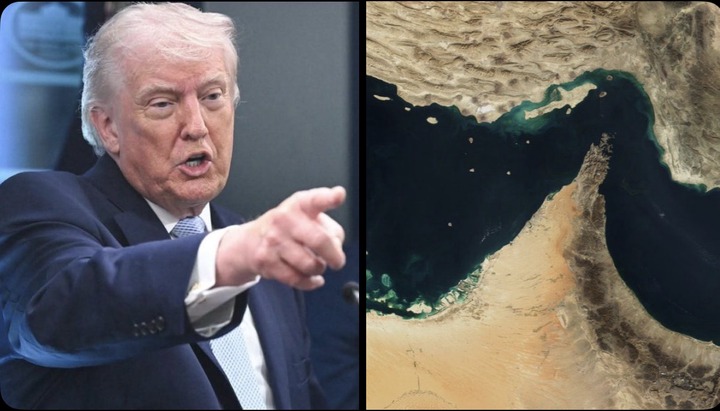
According to a report by Al Jazeera News on Monday, April 20, 2026, U.S. President Donald Trump has indicated that any move to fully restore access through the strategically vital Strait of Hormuz will depend on the successful conclusion of ongoing negotiations with Iran, highlighting the high-stakes nature of diplomatic efforts in the region.
In a series of public remarks, Trump suggested that Tehran is eager for the waterway to be reopened under U.S. facilitation, given the economic and geopolitical pressure caused by restricted maritime traffic. However, he made clear that Washington will not take definitive action to guarantee unrestricted passage until a comprehensive agreement is finalized between both sides.
The Strait of Hormuz remains one of the world’s most critical energy corridors, with a significant share of global oil shipments passing through the narrow channel. Disruptions in the area have already triggered volatility in international energy markets and heightened concerns among major economies dependent on Gulf exports.
Trump’s position reflects a broader strategy linking maritime security to diplomatic concessions. He has emphasized that while progress has been made in negotiations, final commitments from Iran are still required before any long-term resolution can be implemented.
Recent developments suggest a complex and evolving situation. Although there have been indications of temporary openings or limited navigation arrangements during ceasefire periods, the United States has maintained a naval presence and enforcement measures in the region. These actions are intended to pressure Iran into reaching a binding agreement while safeguarding international shipping interests.
At the same time, Iranian officials have signaled their intention to retain a degree of control over transit conditions, highlighting ongoing disagreements over sovereignty and operational authority within the waterway.
Analysts say the standoff illustrates the intersection of military leverage and diplomacy, where control over key infrastructure becomes a negotiating tool. Trump’s refusal to fully reopen the strait without a signed accord suggests that Washington views the issue as central to securing broader concessions, including those related to regional security and economic sanctions.