
According to the Jerusalem post, Israeli defense officials are increasingly concerned that future wars with Iran could expose Israel’s civilian population to even more devastating missile attacks, particularly if ongoing negotiations between Washington and Tehran fail to address Iran’s ballistic missile capabilities.
According to senior Israel Defense Forces officials, emerging indications suggest that US President Donald Trump’s developing agreement with Iran may largely sideline or entirely omit restrictions on Tehran’s ballistic missile program, a scenario Israeli security leaders reportedly view as a major strategic threat.
The concern comes amid months of escalating regional conflict involving Iran, Israel, Hezbollah, and other Iranian-backed groups across the Middle East. Israeli military planners believe Iran has drawn extensive lessons from recent exchanges and is investing heavily in improving the precision, range, and survivability of its missile arsenal.
Military analysts warn that while Israel maintains advanced air defense systems, including Arrow, David’s Sling, and Iron Dome, future large-scale attacks could overwhelm parts of the country’s defensive network, especially if Iran launches coordinated barrages involving drones, cruise missiles, and long-range ballistic missiles simultaneously.
Recent Iranian strikes and retaliatory operations throughout the region have reinforced fears inside Israel that the country’s home front could become a primary battlefield in any prolonged confrontation. Israeli officials reportedly believe Tehran is prioritizing the development of missiles capable of striking strategic infrastructure, military headquarters, power facilities, and densely populated urban centers.
The IDF’s concerns are also tied to broader diplomatic developments surrounding renewed US-Iran talks. While Washington has publicly emphasized preventing Iran from obtaining nuclear weapons, Israeli officials fear that missile limitations may be treated as secondary during negotiations.
“According to the IDF, all indications are that Trump’s Iran deal will largely or completely ignore the ballistic missile issue,” The Jerusalem Post reported on Thursday.
Israeli officials reportedly argue that excluding ballistic missiles from any future agreement would leave Iran free to continue expanding one of the largest missile programs in the Middle East, even if nuclear restrictions are tightened.
The issue has become more urgent following the ongoing regional escalation that began earlier this year, when Israel and the United States launched coordinated strikes against Iranian targets, triggering retaliatory missile and drone attacks across the region.
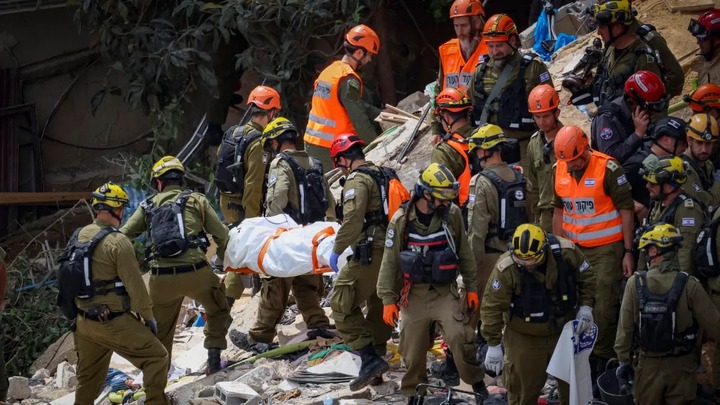
Iranian missiles have already struck several locations inside Israel during the current conflict, causing casualties, damaging homes, and forcing repeated nationwide emergency alerts. Despite Israel’s sophisticated interception systems, officials acknowledge that no defense network can guarantee complete protection against sustained large-scale missile barrages.
At the same time, diplomatic uncertainty surrounding Trump’s negotiations with Tehran continues to fuel debate inside Israel’s security establishment. Trump recently suggested progress was being made toward a broader arrangement with Iran, although conflicting reports have emerged regarding the scope and terms of any potential agreement.
Israeli leaders are expected to intensify lobbying efforts in Washington in the coming weeks, seeking stronger guarantees that any future deal with Iran will include significant curbs on ballistic missile production, stockpiles, and launch capabilities.
Security officials warn that without such restrictions, Iran could emerge from negotiations with its missile infrastructure intact potentially setting the stage for even more dangerous confrontations in future wars.