
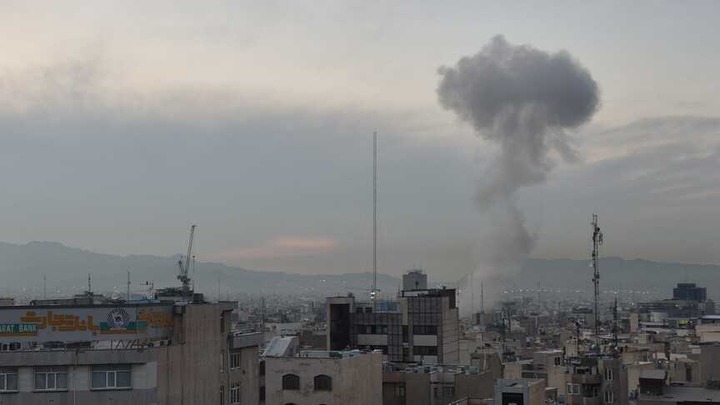
According to a report by Anadolu Agency on Saturday, May 30, 2026, the United Arab Emirates reportedly carried out a series of covert airstrikes against Iran during the early stages of a conflict involving Iran, the United States and Israel.
Citing individuals familiar with the matter, the report alleged that the UAE launched dozens of air operations against Iranian targets during the opening days of the weeks-long conflict and continued the strikes until a day after a ceasefire was announced in April.
According to the report, the operations were conducted in coordination with the United States and Israel, both of which allegedly provided intelligence support to assist Emirati forces in identifying and tracking targets inside Iran.
The strikes reportedly focused on strategic and economic sites, including islands located in the Strait of Hormuz, the southern Iranian port city of Bandar Abbas and several key energy facilities. Among the installations said to have been targeted were a major petrochemical complex and an oil refinery situated on one of Iran’s islands in the Gulf region.
The report further claimed that some of the Emirati attacks were launched in direct response to Iranian strikes against oil and gas infrastructure within the UAE. During the conflict, Emirati authorities accused Tehran of responsibility for attacks that threatened the country’s energy sector and broader national security interests.
The UAE’s Foreign Ministry had previously stated that it held Iran fully accountable for what it described as terrorist attacks targeting Emirati facilities and warned that such actions would carry consequences.
According to the Wall Street Journal, the extent of the UAE’s military involvement became a source of concern among regional allies and contributed to tensions with Saudi Arabia. The report said Emirati officials expressed worries to Washington that continued military exchanges risked expanding the conflict and exposing critical energy infrastructure across the Gulf region to further attacks.
Officials reportedly warned that a prolonged confrontation could destabilize global energy markets by disrupting oil production and shipping routes through the Strait of Hormuz, one of the world’s most important maritime corridors for crude oil exports.
The report also claimed that the conflict accelerated significant geopolitical shifts in the Gulf. In late April, the UAE reportedly withdrew from the OPEC and OPEC+ alliance, a move that surprised many energy analysts and raised questions about the future of regional cooperation in oil production management.
Additionally, the report said the UAE strengthened its security partnership with Israel during the conflict. Israeli military support allegedly included the deployment of Iron Dome air-defense batteries as well as troops to assist in protecting critical infrastructure within the Gulf nation.