
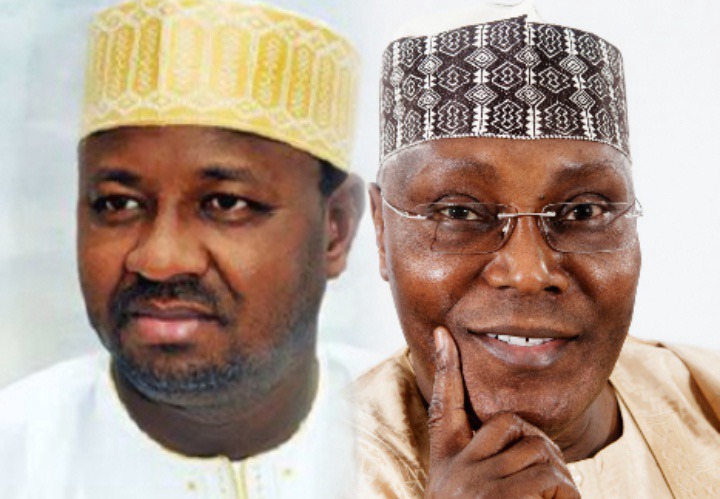
He reflected on the 2015 presidential election, when the opposition successfully defeated an incumbent government for the first time in Nigeria’s democratic history. According to him, that outcome underscored the importance of broad-based alliances, noting that any serious opposition challenge requires strategic cooperation and the ability to reconcile diverse political interests under a common agenda.
Ardo also commented on current efforts by opposition groups to consolidate their platforms, expressing optimism that a united front could significantly alter the dynamics of the 2027 race. He stressed that the effectiveness of opposition coordination and messaging would be critical in determining whether they could present a credible alternative to voters nationwide.
Addressing possible electoral scenarios, Ardo stated, “If Atiku emerges as the candidate of the ADC and is on the ballot, then he is likely to win.” He explained that his position was informed by voting trends, regional alignments, and the potential consolidation of support across opposition blocs.
He further argued that a strong coalition could command widespread backing across different regions of the country, particularly if major opposition figures rally behind a single presidential candidate. In his view, such unity could significantly improve the opposition’s chances of mounting a serious challenge in the 2027 election.