
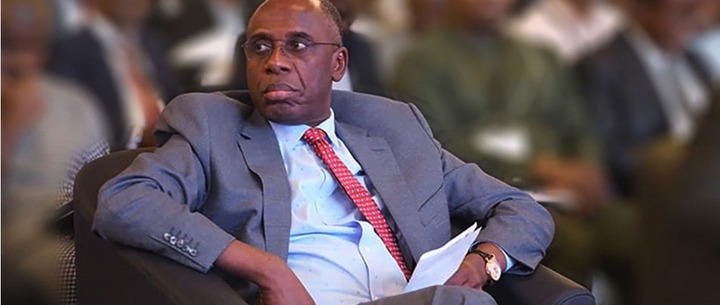
The internal crisis within the African Democratic Congress (ADC) over its presidential primary election has deepened, following strong rejection of the results by former Minister of Transportation, Rotimi Amaechi.
According to a report published by DAILY POST on Tuesday, May 26, 2026, Amaechi—who was among the aspirants vying for the party’s presidential ticket—dismissed the outcome of the primaries, alleging that the process was heavily compromised by irregularities, manipulation, and widespread exclusion of eligible voters.
In his reaction, the former Rivers State governor described the announced results as unacceptable, insisting that they did not reflect the true will of party members. He argued that the conduct of the exercise fell far below the democratic standards the ADC had repeatedly promised Nigerians, especially at a time when citizens expect transparency and fairness from political parties preparing for national elections.
Amaechi made his position known in a statement posted on his official X account, where he declared that he could not recognise or endorse the outcome of what he termed a flawed and illegitimate process. According to him, the credibility of the entire primary election had been seriously undermined by what he described as structural and procedural failures.
He further alleged that the election was characterised by widespread irregularities, including claims that a significant number of registered party members were deliberately denied the opportunity to participate in the voting process across several states. He maintained that such exclusions weakened the legitimacy of the final result and cast doubt on the integrity of the exercise.
One of his most serious allegations was that nearly 80 percent of eligible party members were unable to vote, a situation he said raised fundamental questions about how a valid outcome could emerge from such limited participation.
Amaechi also drew comparisons between the ADC’s internal conduct and the electoral practices the party had previously criticised at the national level. He accused the party of adopting the same methods it had once condemned in Nigeria’s broader electoral system, particularly tactics often associated with the All Progressives Congress (APC) and the Independent National Electoral Commission (INEC), including vote manipulation and result distortion.
According to him, the ADC had in the past positioned itself as a reform-driven political alternative, openly condemning electoral malpractice such as vote buying, voter suppression, and falsification of results. However, he argued that the party’s handling of its own presidential primary appeared to contradict those principles.
Amaechi maintained that the situation represented a serious setback for internal democracy within the party and warned that continued disputes over legitimacy could damage the ADC’s public image and electoral prospects ahead of the 2027 general elections.
He further cautioned that unless the issues surrounding the primary election are addressed transparently, the party risks losing credibility among Nigerians who are increasingly demanding accountability and fairness in political processes.