
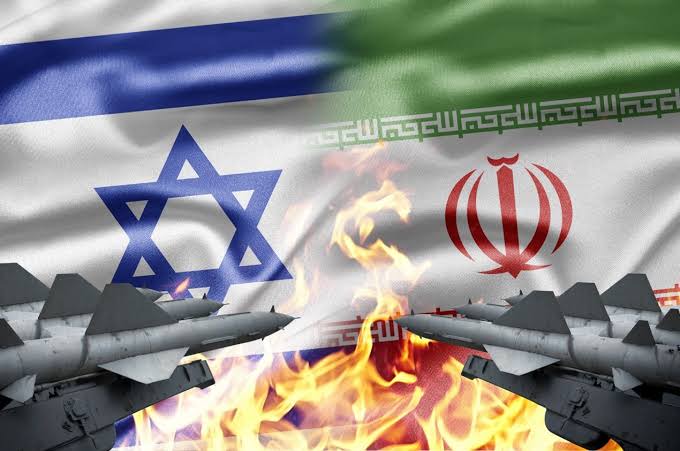
According to the Middle East Monitor, in Tel Aviv, the damage left behind by weeks of fighting is no longer measured only in headlines or military briefings, it is visible in empty apartments, shuttered buildings, and neighborhoods still trying to absorb what has happened.
More than 1,000 homes in the city are now uninhabitable, according to Mayor Ron Huldai, a figure that captures the civilian toll of the recent war between Israel and Iran. The scale of the destruction reflects not just the intensity of the conflict, but how deeply it reached into everyday life.
“more than 1,000 apartments in Tel Aviv are no longer fit for living”
The damage traces back to the wave of missile and drone attacks launched by Iran during the war, which began on February 28. Those strikes were carried out in response to large-scale Israeli and US operations targeting Iranian territory. While Israel’s air defense systems intercepted many incoming projectiles, some missiles, along with debris from interceptions, still struck urban areas.
In Tel Aviv and nearby cities like Ramat Gan and Bnei Brak, buildings were hit, vehicles destroyed, and infrastructure strained. Dozens of people were killed or injured, adding a human cost that continues to unfold alongside the physical rebuilding.
The financial impact is equally stark. Israeli officials estimate the cost of roughly 40 days of fighting with Iran and Lebanon at around $17.5 billion, a figure that does not yet include long-term reconstruction or the economic slowdown caused by the conflict. Tens of thousands of compensation claims have already been filed, covering damage to homes, businesses, and vehicles.
A ceasefire took effect on April 8, following talks between the United States and Iran in Pakistan that stopped short of a lasting agreement. For now, the fighting has paused. But across Tel Aviv, the consequences remain, in homes that cannot be returned to, and in a city quietly confronting the reality of what the war has left behind.