Across the world today, governments are increasingly judged not just by the promises they make, but by the results they deliver. And those results can only be measured through credible statistics, effective monitoring systems, and evidence-based decision-making. Strong statistical systems are therefore indispensable to good governance, accountability, prudent resource allocation, and sustainable development.
This position was advanced by the Vice Chairman and Chief Executive Officer of the Cross River State Planning Commission, Pastor Dr. Bong Duke, who was represented by the Director of Administration, Mr. Emmanuel Akunobor.
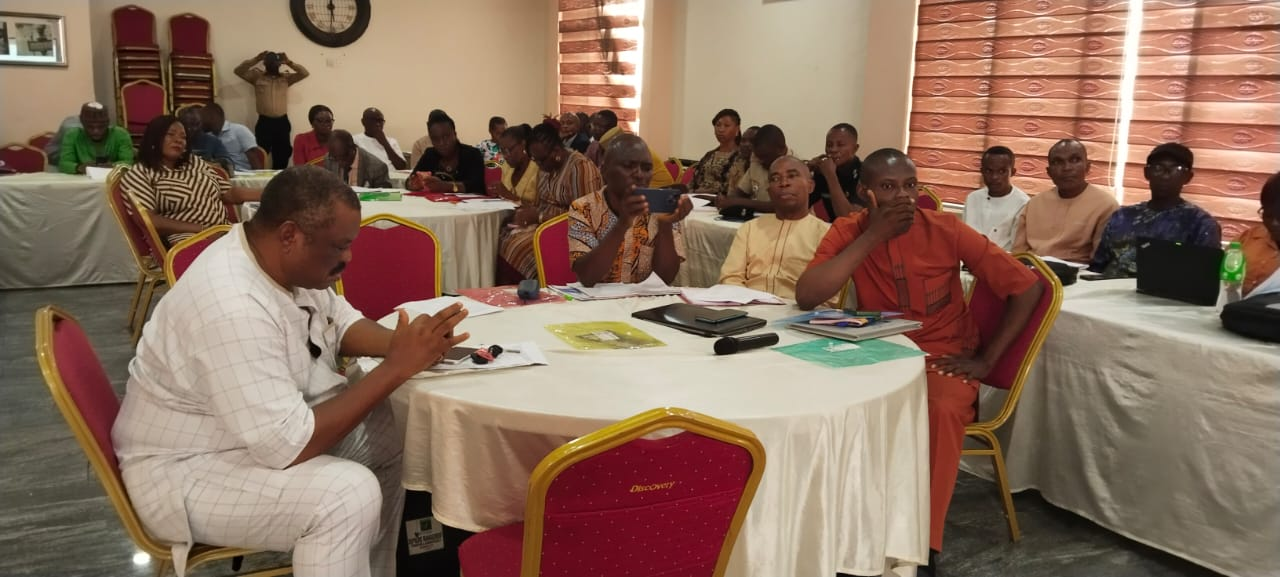
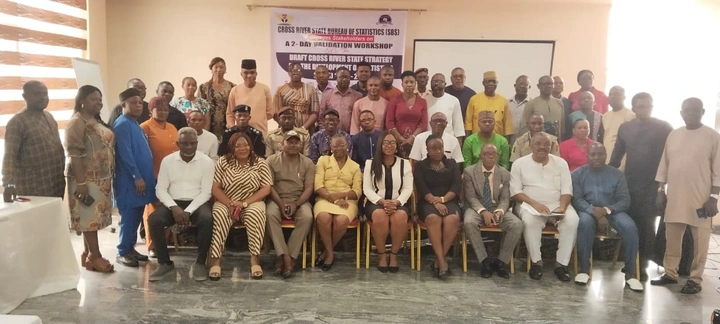
He stated this while declaring open a two-day validation workshop for the draft Cross River State Strategy for the Development of Statistics (2026–2030), held at Adsuit Hotel, Ikot Effa, off Parliamentary Road, Calabar.
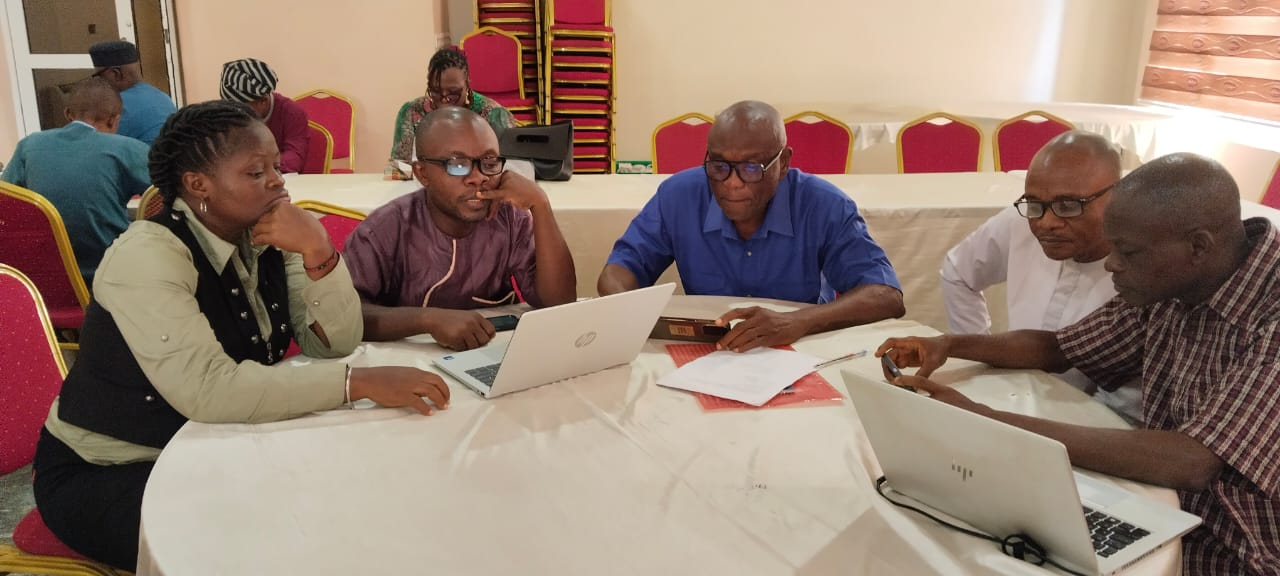
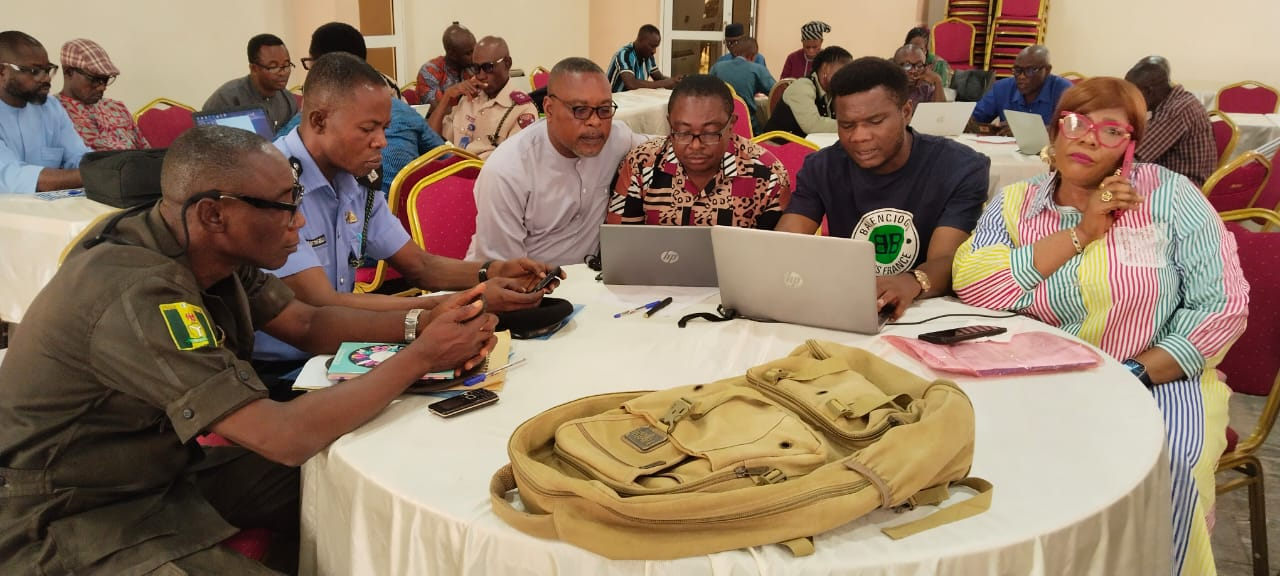
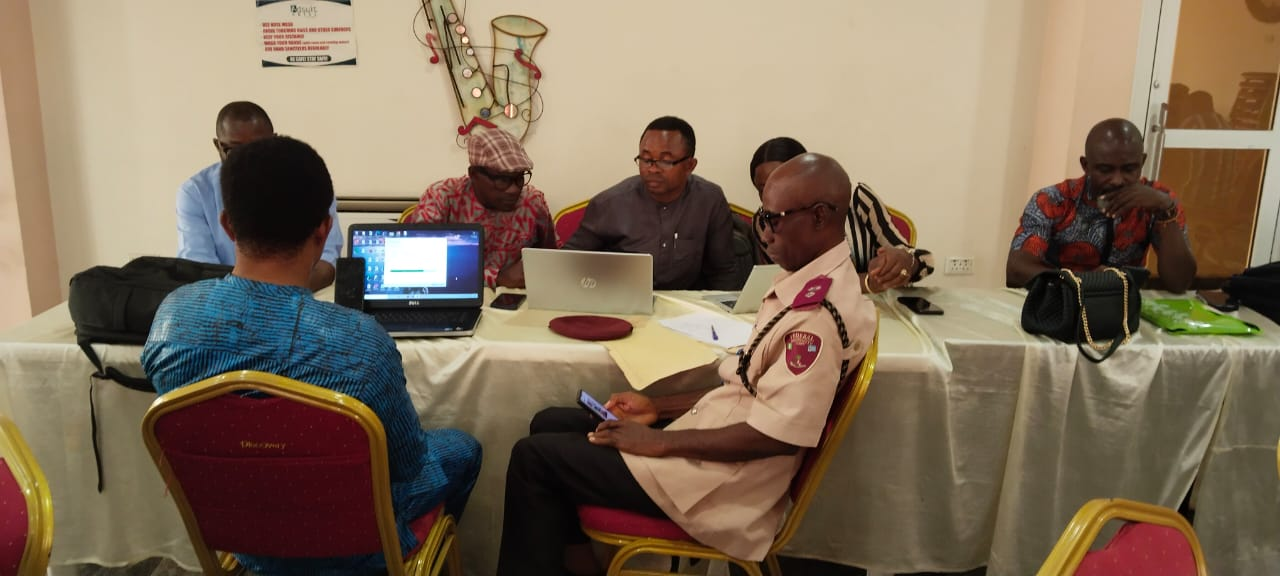
The workshop brought together relevant stakeholders from ministries, departments, and agencies; academia; paramilitary organisations; policy managers; development partners; civil society organisations; non-governmental organisations; and members of the press. Their input aimed to achieve wide inclusiveness and enhance ownership of the strategy.
Speaking further, Mr. Akunobor (on behalf of Dr. Duke) emphasised that “a good strategy must be inclusive, a better strategy must be widely owned, while the best strategy is one that is both sound and embraced by all stakeholders.”
According to him, “We operate in a rapidly changing environment where governments must respond to economic pressures, infrastructure needs, employment demands, health priorities, education outcomes, environmental concerns, and social welfare expectations.” To respond effectively, government must ask critical questions: Where are we? What are the priority needs of our people? Which interventions are working? Where should scarce resources be directed? And how do we measure progress? The answers to those questions lie in quality data.
“Our administration stands fully behind this initiative. Governor Otu remains committed to strategic planning, transparency, inclusive development, and institutional reform across all sectors,” he said, while commending the State Statistician General and development partners for honouring the invitation.
Earlier, the State Statistician General, Mrs. Akedoh Okoi Edet, noted that the event marked another significant milestone in the collective effort to strengthen the state’s statistical systems and reposition statistics as a strategic instrument for government planning, investment decisions, transparency, and public accountability. She said strong statistics help government to understand realities, identify priorities, monitor programmes, and respond to emerging challenges.
She reiterated that a strong statistical system is essential for achieving priorities. “When data improves, planning improves; when planning improves, service delivery improves; the lives of our people improve. That is the objective of this meeting.” She added that validation means ownership, participation, and credibility — and that is the essence of the stakeholders’ gathering.
In interviews with a cross-section of participants, there was a consensus that the present administration of Prince Bassey Edet Otu is committed to good governance and strengthening critical institutions, while others admitted that statistical data are vital for sustainable development.
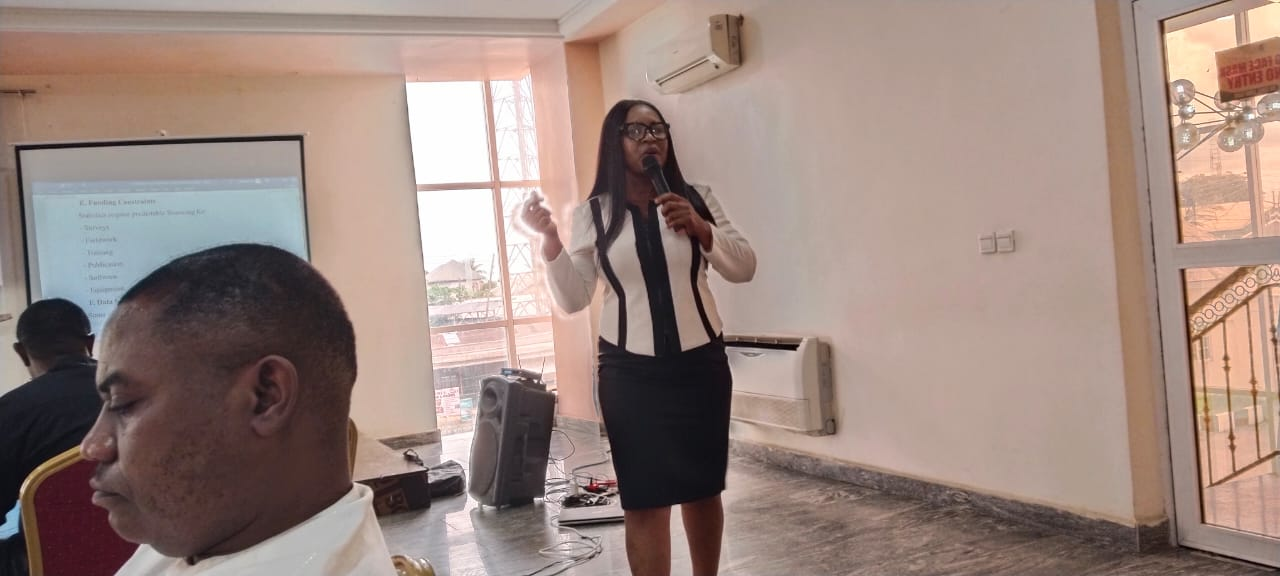
Highlights of the event included a PowerPoint presentation of the draft State Strategy for the Development of Statistics (2026–2030) by the lead consultant and immediate past State Statistician General, Dr. Joseph Ogar; plenary sessions; goodwill messages from the Deputy Vice Chancellor (Academics) of the University of Calabar, Prof. Ekaete Enang; Barr. Bassey Okim, Commissioner One, State Planning Commission; and members of the paramilitary. Other stakeholders in attendance included the Chief Economic Adviser to the Governor, Prof. Peter Oti, and the Special Adviser on Budget, Mr. Otu Otu Ita.
Iloke Egbe