
Following the recent report that Kaja Kallas had said earlier this week, ahead of an informal EU foreign ministers’ meeting in Cyprus, that the bloc would seek to impose restrictions on Russia’s armed forces should talks to end the war in Ukraine begin, a senior Kremlin aide brushed aside European Union demands for potential limits on Russia’s military capabilities as part of future Ukraine peace negotiations, dismissing the proposal as unworthy of serious consideration and underscoring the deepening rift between the Russian Federation, and the Leadership of the European Union.
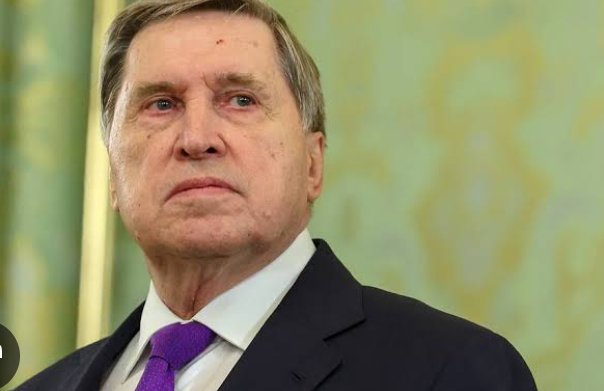
According to a report made by Anadolu English on Thursday, 28 May, 2026, Yury Ushakov, the Foreign Policy adviser to Russian President Vladimir Putin, characterized the remarks by EU Foreign Policy Chief Kaja Kallas as ordinary street-level statements that few people take seriously, reflecting Moscow’s growing impatience with European diplomatic overtures it views as detached from battlefield realities.
He also acknowledged that Russia still sees room for dialogue with European countries, saying “Of course, there is something to talk about.”
Ushakov also made clear that progress on Ukraine would require concrete steps from Kyiv, not just Western-backed proposals, saying “The Ukrainians also know what they need to do for negotiations to succeed. But so far they are not doing it.”
The Kremlin aide, Yury Ushakov went further to confirmed that the issue of a Ukrainian settlement was briefly discussed during Putin’s recent visit to Astana, where he met with Kazakh President Kassym-Jomart Tokayev.
He also said Russia had transmitted recommendations to the United States through appropriate channels regarding Moscow’s announcement that its forces have begun systematic strikes on Ukrainian military-industrial facilities in Kyiv, noting that no response from the American Government has been received to date.
Ushakov also flatly denied reports that President Vladimir Putin had sent any personal message to US President Donald Trump concerning the strikes, saying “No, no message was conveyed.”