
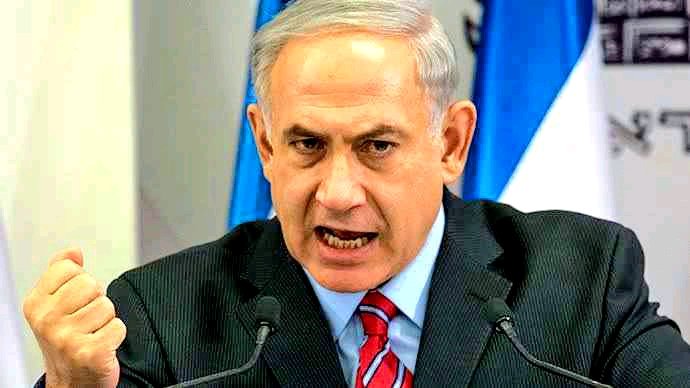
According to a video on Piers Morgan Uncensored Show, on Monday June 8, 2026, journalist Glenn Greenwald made a direct and unambiguous claim about what he described as Israel’s true strategic objective in the current conflict, arguing that the stated concern over Iran’s nuclear programme was not the real driver of the war and that the actual goal was the permanent removal of the only regional power capable of limiting Israeli influence in the Middle East.
Greenwald argued that Israel and the United States had fundamentally different interests regarding Iran, and that Israel had effectively drawn the United States into a war that served Israeli strategic goals more than American ones.
He suggested that Trump had been misled into believing the campaign would be swift and decisive, and was now dealing with the consequences of a conflict that had proved far more complicated and prolonged than anticipated.
In his words, Glenn Greenwald said, “What Israel wants with Iran is the obliteration of any countervailing force to their dominance of the region.
Iran is the only formidable party or country in that region that can provide any kind of deterrence or limitation to Israeli hegemony in the Middle East, and they want that country destroyed and they want the United States to do it,” he said.
Greenwald added that Trump had initially believed he could facilitate a quick regime change in Iran, a scenario that had clearly not materialised.
With the Strait of Hormuz closed and enriched uranium still in Iranian hands, he argued that none of the war’s stated objectives had been achieved after four months of fighting.
Lebanese-American journalist Rania Khalek echoed this analysis, stating that Israel’s interest was in maintaining a condition of permanent regional weakness around it, ensuring that no neighbouring country or force could ever pose a meaningful military or economic challenge.
She argued this was precisely why Israel had struck Beirut, knowing Iran had declared it a red line.
Tehran University professor Mohammad Marandi reinforced this reading from the Iranian side, stating that the United States had launched a massive war against Iran and failed, and that Iran viewed the conflict as a war of survival that it was determined to see through regardless of the economic pressure it faced.