
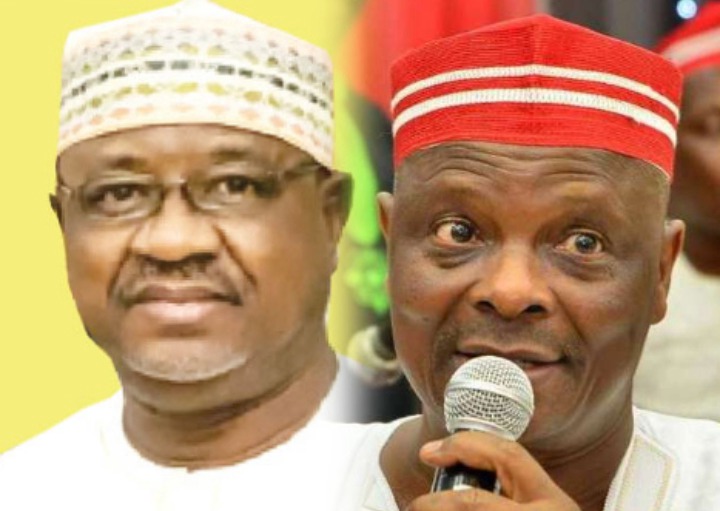
In a recent video shared on Arise TV, on Tuesday, May 26, 2026, former APC chieftain and political strategist, Dr. Umar Ardo, reflected on the political influence of former President Muhammadu Buhari and its impact on electoral outcomes in Northern Nigeria, particularly in Kano State.
During the interview on Arise Prime Time, Ardo discussed the formation of the APC, the political alliances that shaped the 2015 presidential election, and the contributions of various political actors to the success of the opposition coalition that eventually defeated the Peoples Democratic Party (PDP).
While responding to questions about the role played by prominent Northern politicians within the APC, Ardo spoke about the political standing of former Kano State governor, Rabiu Musa Kwankwaso, and the influence Buhari continued to wield among voters in the region even after leaving office.
Speaking during the discussion, Ardo stated, “It was on account of Buhari that Kwankwaso lost his governorship election in 2003.” He argued that Buhari’s political popularity and voting influence in Kano State remained significant enough to shape electoral outcomes, particularly among loyal supporters in the North.
According to Ardo, Buhari had consistently maintained a strong voter base in Kano over the years, regardless of shifting political alliances or the emergence of new political movements. He suggested that this longstanding support played a role in weakening the electoral prospects of some politicians who previously benefited from the former president’s popularity.
Ardo further explained that political calculations in Northern Nigeria often revolve around influential personalities with deep grassroots connections, adding that Buhari’s political legacy continues to affect alignments and voter decisions within the region.
The former APC chieftain also noted that the 2003 elections demonstrated how established political loyalties can still shape contests at both the national and state levels. He maintained that understanding those loyalties remains essential for parties and candidates preparing for future elections.
He concluded by emphasizing that Nigeria’s political landscape continues to evolve, but the influence of long-standing political figures such as Buhari cannot easily be dismissed when assessing electoral trends and voting behaviour across the North.